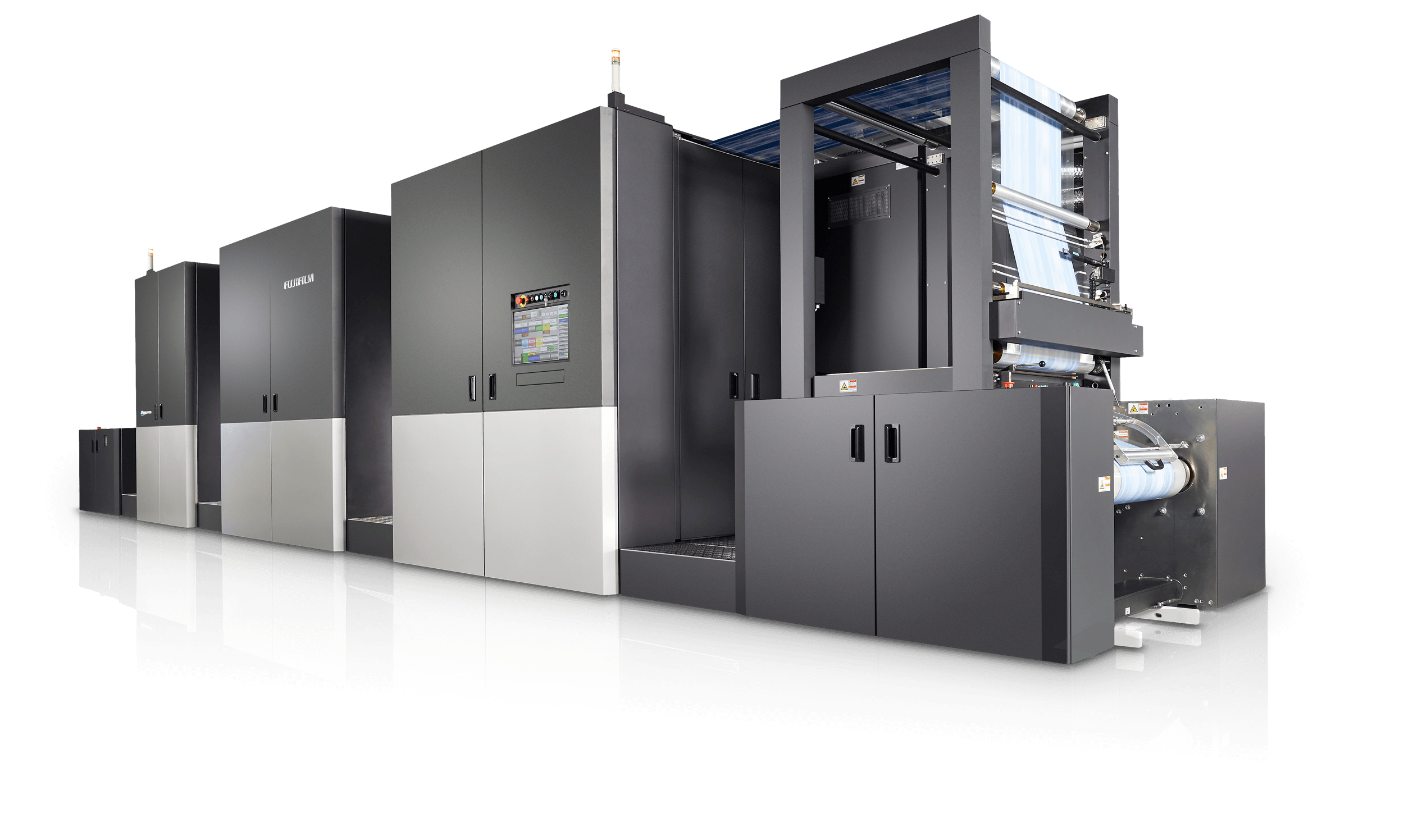
Jet Press FP790

Digital inkjet press for flexible packaging

Three presses in one

Print mainstream flexo jobs digitally, at rotogravure quality

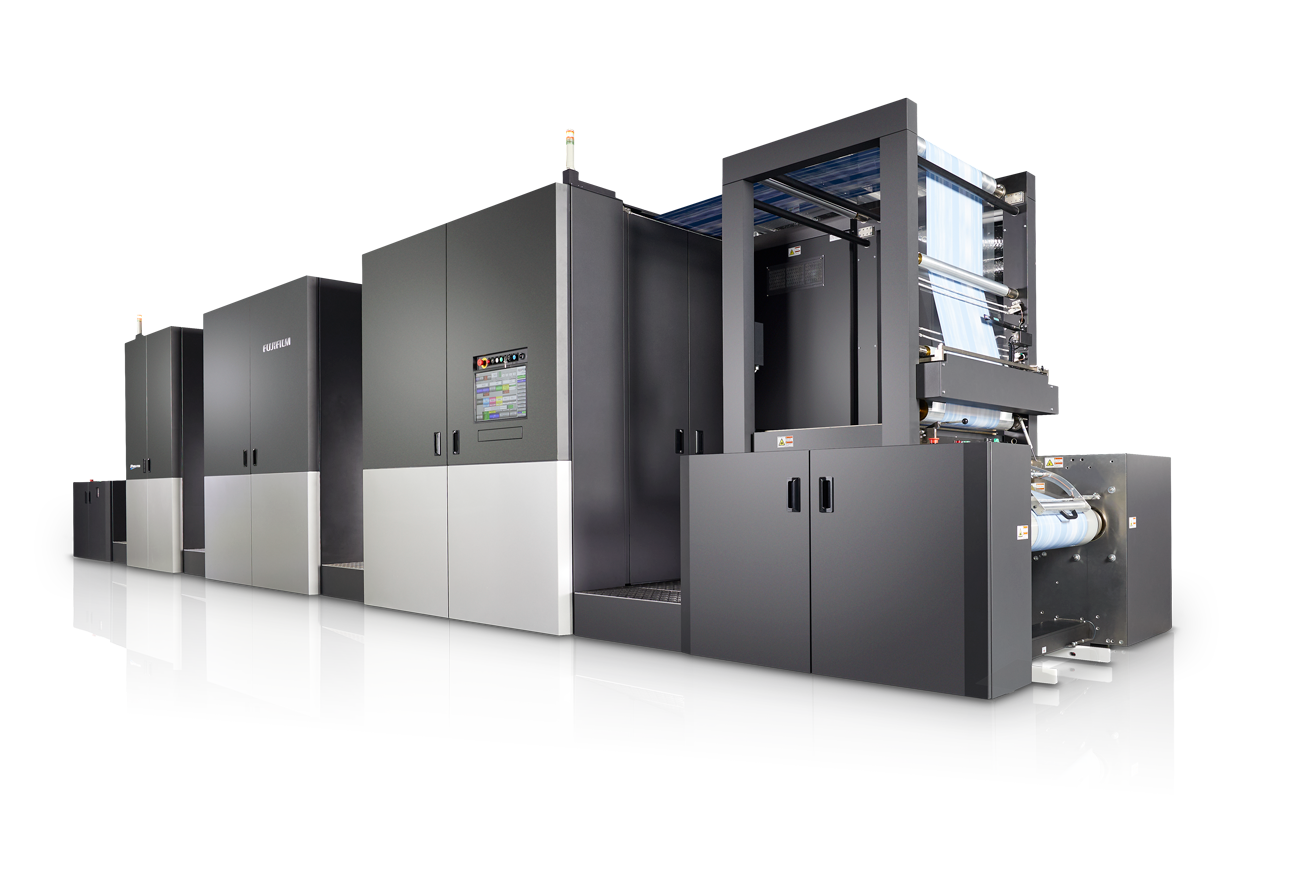
The Jet Press FP790 has been designed to help printers and converters adapt to changing market dynamics that are driving shorter print runs and product life cycles, faster delivery times and more sustainable production, whilst also adhering to the regulatory requirements of flexible packaging.

Superb

1200 x 1200dpi

Print resolution
Up to

50m/min

Print speed
Up to

790mm

Substrate width

Why Jet Press FP790?

High productivity

Print speed of 50 m/min (164 feet per minute), no matter the number of colours.

Wide colour gamut

Achieve special brand and spot colour matching with no special inks.

Sustainable print process

Able to minimise waste and reduce the number of consumables.
Inline corona
Vibrant colour
Automatic register
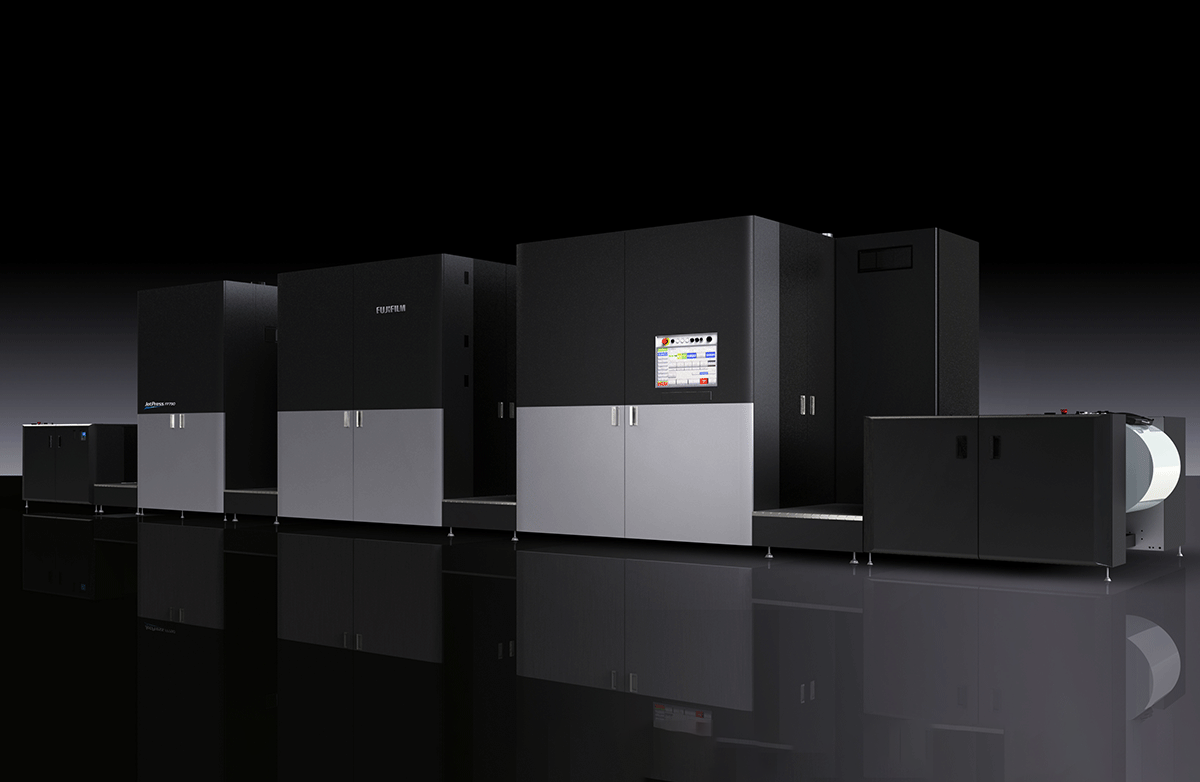
Digital print unit (ww) and drying
Unwinder
High resolution
Digital print unit (cmyk) and drying
Image inspection
Rewinder

Get your sample

Fill in the form to request your flexible packaging sample

Suitable for mainstream flexible packaging

The Jet Press FP790 digital press has been designed to be suitable for mainstream flexible packaging applications, thanks to a number of key features. Firstly, the Jet Press FP790 digital press produces ultra-high print quality, wide gamut print similar to the Jet Press 750S, making it possible to convert analogue flexo and rotogravure jobs to digital.

High productivity

The maximum substrate width is 790mm (31 inches) with a productivity of 50 m/min (164 feet per minute), no matter the number of colours. The high machine uptime and ability to change printing jobs and design adjustments within a matter of minutes contribute to the overall improvement of production efficiency of the entire factory.
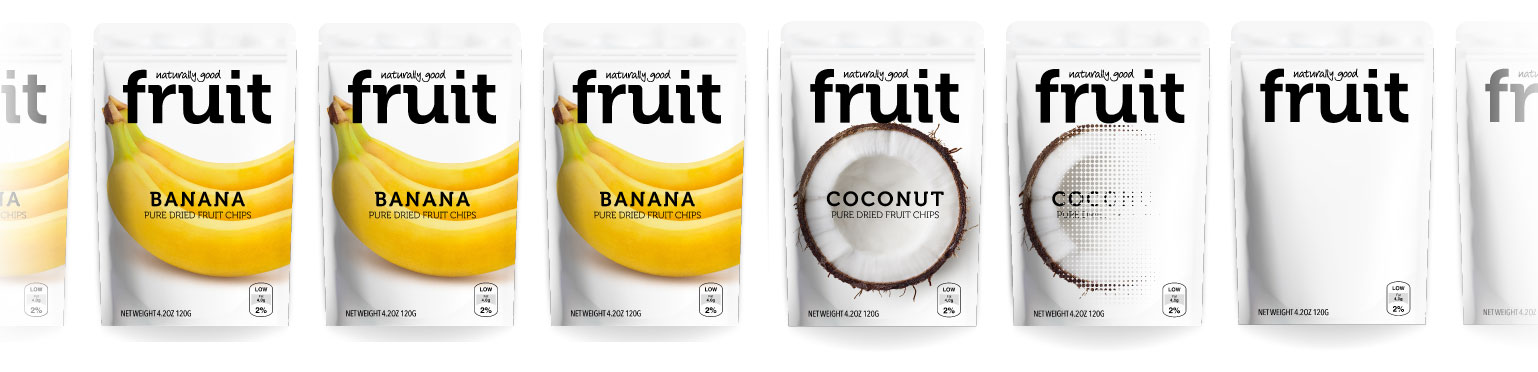
Critically, the Jet Press FP790 is also able to fit into existing production processes with no other capital investments, along with being a much more sustainable solution than its analogue counterparts.

Fits existing production processes

With the challenging demands of the flexible packaging market, particularly the short turnaround times and regulatory requirements, Fujifilm has carried out extensive testing of printed output from the Jet Press FP790 with various laminating, slitting and finishing processes, to ensure customers of the press are in the best possible position to maximise the production opportunities from day one.

Fujifilm extensively tested Henkel’s renowned portfolio of laminating adhesives to ensure compatibility with the Jet Press FP790 ink as well as verify adhesion properties and lamination performance in post-press production, to guarantee the highest quality output. Given the excellent results and positive outcomes from these rigorous tests, Henkel’s solvent-free laminating adhesives are Fujifilm’s recommended solution for use with the Jet Press FP790.
Fujifilm also successfully tested Nordmeccanica’s Simplex range of two-layer laminating machines for solvent-less adhesives. The environmental benefits of the Jet Press FP790, combined with Henkel’s solvent-free adhesives and Nordmeccanica’s solvent-less lamination technology, delivers a truly sustainable production solution. In addition, it will enable packaging converters to remain compliant with the increasingly stringent environmental regulations that are now commonplace throughout the industry.

By collaborating with renowned and leading manufacturers of pre-press and post-press
technologies, Fujifilm can clearly demonstrate that its new Jet Press FP790 is fully compatible and integrates effortlessly into existing production environments offering a ‘plug and play’ digital solution that delivers the highest quality finished packaging with minimal testing, training or setup.

XMF Packaging – powered by HYBRID Software

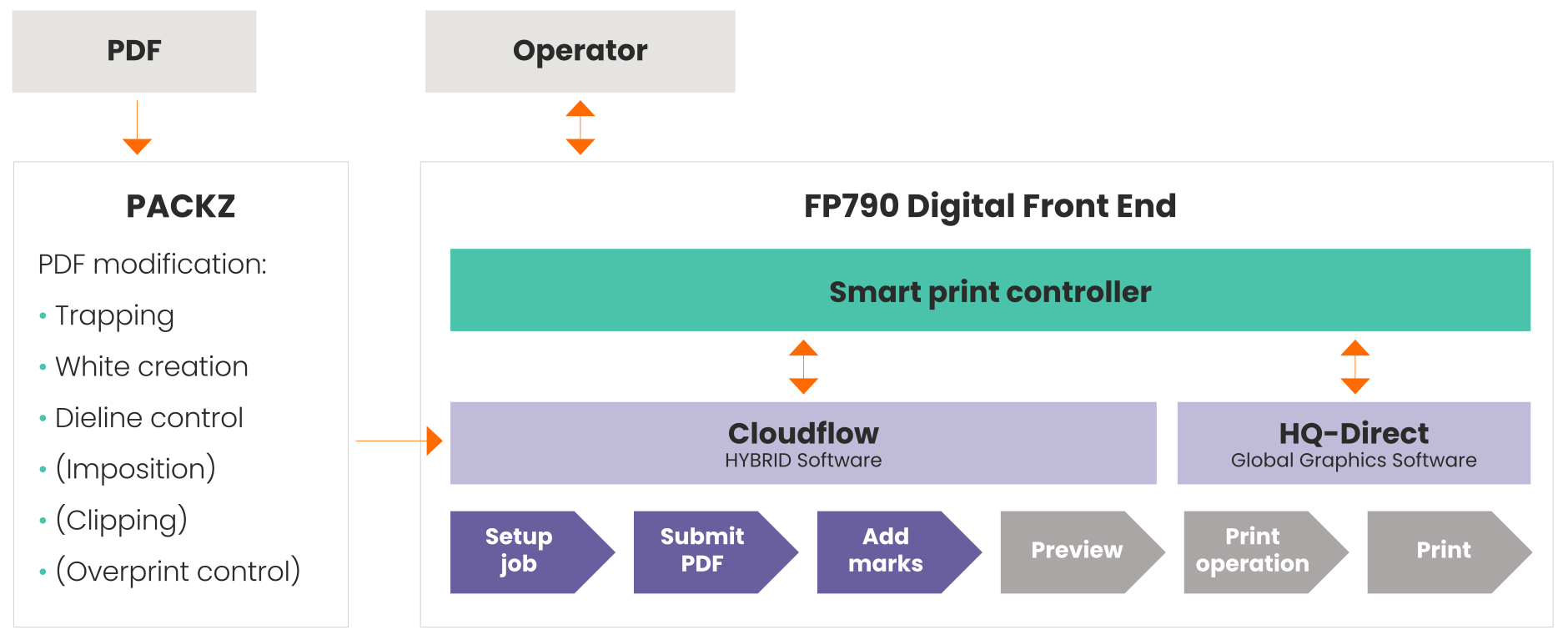
Fujifilm’s Jet Press FP790 will feature a unique, smart Digital Front End (DFE) and unified workflow solution developed specifically by HYBRID Software to optimise the productivity and output of Fujifilm’s press.

This new XMF Packaging DFE is the first of its kind to be developed by a software company for use in the packaging market, and is a result of a close working partnership between Fujifilm’s R&D team and HYBRID’s specialist software developers.

Based on proven technology, the web-based,open architecture production workflow offers fully automated pre-press functionality to ensure the Jet Press FP790 press offers accelerated turnaround times, maximum productivity and reduced operating costs. In addition, its modular configuration allows for greater workflow expansion and upstream customisation to cater for specific user requirements.
 

A more sustainable print process

Fujifilm employs environmentally friendly water-based primers and inkjet technologies, which meet or exceed all regulatory requirements for flexible packaging printing. The Jet Press FP790 is also able to minimise waste, reduce the number of consumables associated with traditional analogue production, and totally eliminate all elements of the plate-making process.

Wide colour gamut and ultra-high quality

Using 1200 X 1200 dpi resolutions with CMYK inks, the Jet Press FP790 can achieve more than 90% of the Pantone® colour gamut, while also using two white ink channels for delivering high white opacity, all achieved with unprecedented colour stability. The wide colour gamut allows converters to achieve special brand and spot colour matching with no need for additional special inks.

Comparison of the color gamut of Jet Press FP790
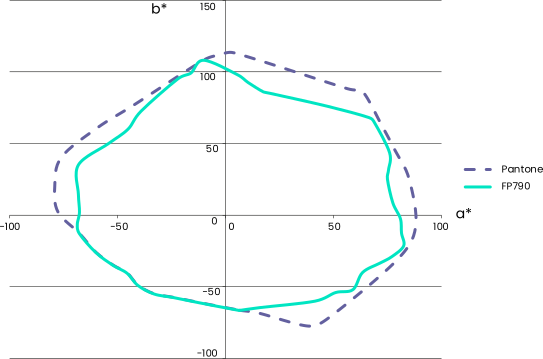
Displayed L*a*b* space in a*b* plane

Want to know more?

Find out more about the Jet Press FP790, available for download here.

Download the brochure

Analogue. Digital. Sustainable.

Fujifilm for packaging: A story in three parts.

Read the Article

World-first: Sustainable cleaning solution

Fujifilm reduces the carbon footprint of its inks with innovative cleaning technology at its Broadstairs ink manufacturing facility

Read the article

Reading time: 6 minutes

  • Fujifilm switched to a more environmentally friendly cleaning technology at its Broadstairs ink manufacturing facility.
  • The company partnered with Terrafend, which develops and supplies sustainable cleaning solutions.
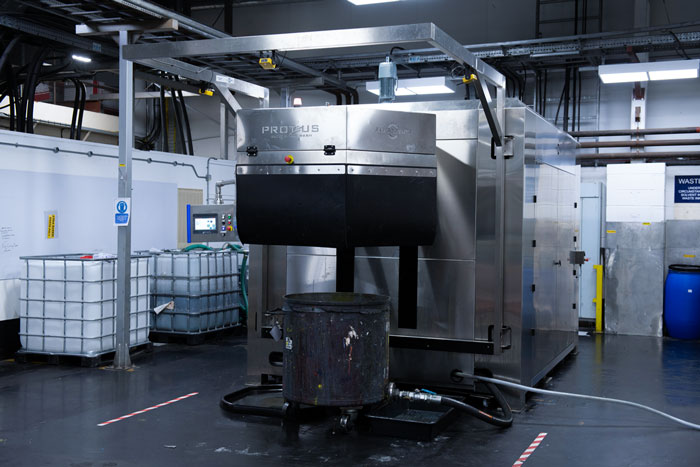
  • Fujifilm becomes the first company in the world to install an Ambimization® Proteus machine.
  • Ambimization® technology provides a revolutionary approach to cleaning by combining chemical and mechanical engineering.
  • The water-based cleaning fluids are non-flammable, non-carcinogenic and non-toxic.
  • Since installing the new technology, Fujifilm has significantly reduced its waste, carbon footprint and VOC emissions.

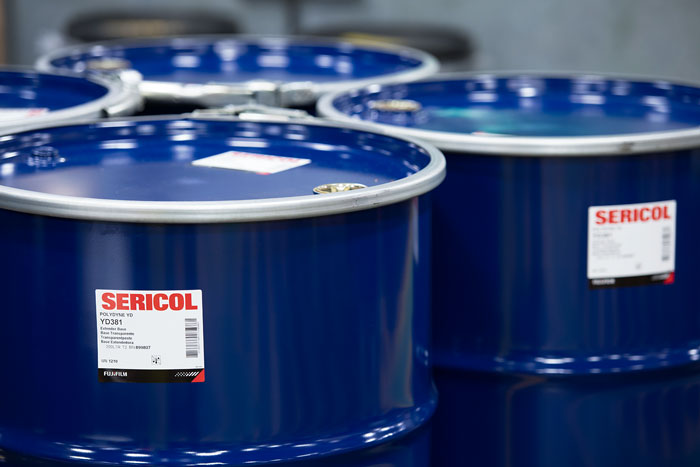
The FUJIFILM Specialty Ink Systems (FSIS) award-winning factory in Broadstairs, UK, manufactures high performance inks for a range of markets, including Uvijet wide format UV inkjet inks, and Sericol screen and flexo inks. The factory has implemented several sustainability initiatives over the last ten years and in the summer of 2022, it became the first ever company to trial the new-to-market Ambimization® fluids and Proteus pot wash machine from Terrafend.

Terrafend’s patented Ambimization® technology combines chemical and mechanical engineering to provide a revolutionary approach to cleaning. Ambimization® water-based fluids are non-flammable, non-carcinogenic and non-toxic. They work at ambient temperatures and can be used repeatedly before reaching end of life, thus reducing workplace risk, energy consumption, and VOCs (Volatile Organic Compounds).

Last year, Fujifilm onboarded Ambimization® technology in its analogue ink department in Broadstairs to clean its UV, water-based and solvent-based ink pots. The use of Ambimization®, in turn enabled Fujifilm to implement the Proteus pot wash machine. These new innovations replaced legacy cleaning equipment that used chemical solvents.

The Proteus machine cleans pots with a water-based Ambimization® fluid in a time-efficient manner, facilitating cost and energy savings, as well as reducing the use of VOCs and creating a safer working environment. It is a sustainable cleaning solution that aligns with Fujifilm’s commitments to promote the use of green technology.

Moving from solvent to water-based cleaning

Fujifilm’s old pot cleaning process involved solvents being sprayed on the walls of the mixing vessels at pressures in excess of 70 bars, thereby removing traces of the ink and decontaminating the surfaces of the pots. This method used around 72,000 litres of chemical-based solvent and generated around 22,000 litres of waste per year.

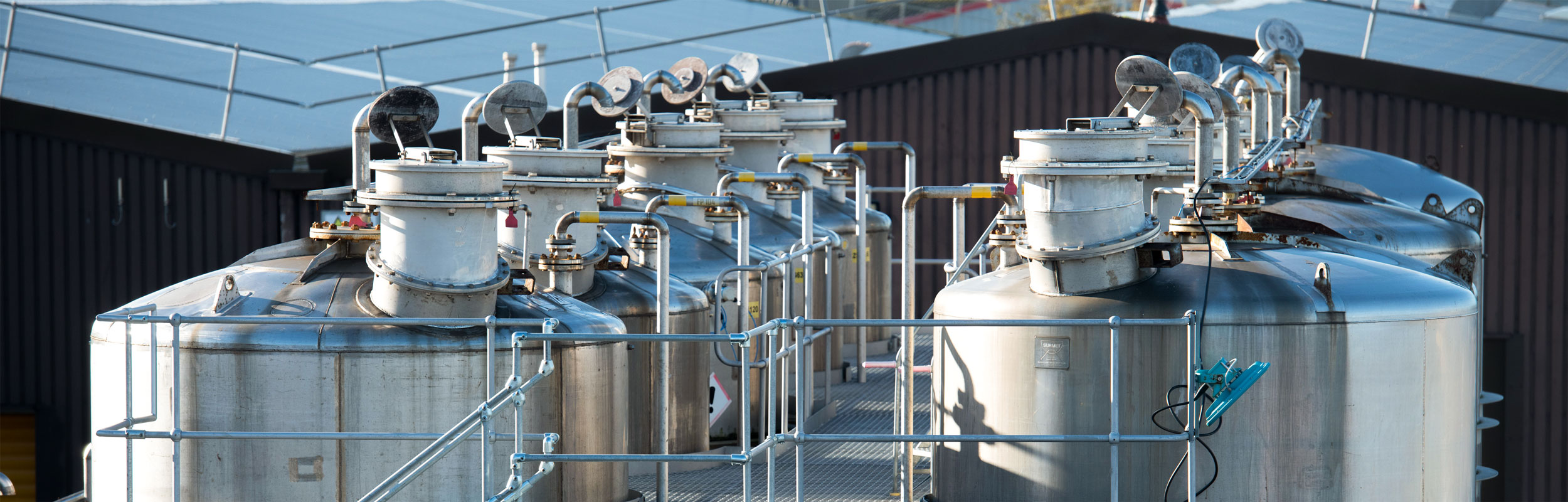
After the cleaning process, the used solvent, saturated with ink, was pumped into a 24,000 litre storage tank at the Broadstairs site. When full, the tank was drained by a specialist contractor and the solvent waste was removed from the site, via road tanker, to a chemical re-processor. At the re-processor, the waste was separated through distillation, enabling 75% of the solvent to be returned to Fujifilm and used again. A limitation of this method was its inefficiency, with 25% of the material being lost in the recycling process.

In stark contrast, the new Proteus machine and water-based fluids, generate minimal chemical waste and VOCs. With Ambimization®, Fujifilm has managed to reduce solvent waste output at its Broadstairs site. This is not only better for the environment, but safer and more pleasant for the on-site Fujifilm team who handle the ink pots before and after cleaning. Fujifilm has reduced its VOC emissions by 91% since switching to the Proteus and Ambimization® process.

Reduced fire risks & energy consumption

An additional safety benefit of Ambimization® is that it eliminates fire risk – and this is further facilitated by the Proteus machine. With the traditional cleaning method, the solvent formed fine aerosol particles during each cleaning event, because of the high pressure deployed. This created an explosive (ATEX) atmosphere. Although ATEX equipment was installed and steps were taken by staff to reduce this fire risk, the risk still posed a threat.

Moving forward with the more sustainable cleaning solution provided by the Proteus machine, Fujifilm will be able to remove all ATEX rated equipment and save on time that would otherwise have been spent on ATEX health and safety measures within the pot wash area. The Proteus machine is also expected to reduce energy usage by 110,000 kWh per year, making it a hugely worthwhile investment.

Key takeaways

Fujifilm’s ink R&D and manufacturing facility in Broadstairs, Kent, has regularly made the news as a four-time winner of the UK’s Best Process Plant in 2013, 2015, 2016 and 2017, but it is for its sustainability initiatives that it is now rapidly creating waves.

Fujifilm has paved the way for more ink and coating manufacturers to implement Ambimization® by being the first company in the world to pioneer the technology. Since Fujifilm onboarded Ambimization® – and the Proteus pot wash machine – Terrafend has introduced the technology to seven additional international major coating and composite manufacturers.

Switching to Ambimization® has delivered the following objectives:

  1. Provided a green / sustainable pot cleaning process
  2. Reduced VOC emissions at the Broadstairs site
  3. Reduced energy consumption by approximately 110,000 kWh per year during the pot cleaning process
  4. Future-proofed the Broadstairs site’s pot cleaning capability
  5. Eliminated the Broadstairs site’s DSEAR risk

Gary Burgess, Manufacturing and CI Manager at FUJIFILM Speciality Ink Systems, comments: “We’re thrilled to be the first company in the world to have trialled an Ambimization® Proteus machine, installed at our Broadstairs ink manufacturing site. Although the digital ink market continues to grow, screen and flexo inks are still used for a number of printing applications. We’ve taken a step to reduce waste and energy when it comes to cleaning our ink pots. During the process, we’ve also reduced VOC emissions and eliminated the site’s largest risk.”

Emily Cassius, Head of Business Development at Terrafend, adds: “This cleaning technology has huge potential to help leading brands – like Fujifilm – to operate more efficiently while reducing risk, waste and carbon footprints. We are pleased to have helped them boost their sustainability credentials and look forward to a continued partnership.”

Learn more about our Label & Packaging solutions

Visit Sector

Case Study: Jet Press 750S HSM & 720S Commercial Printers

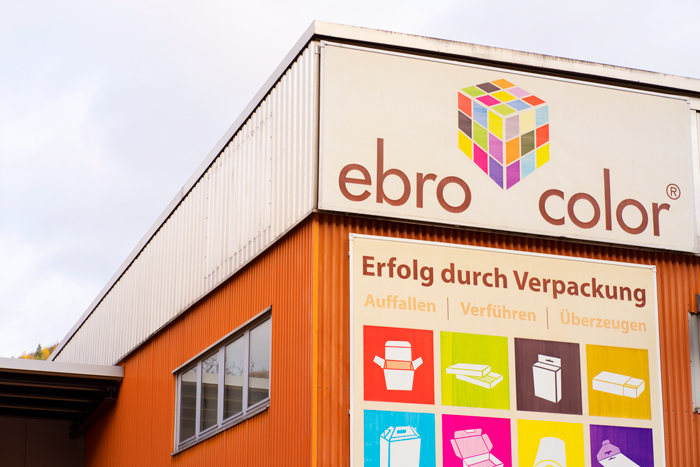
Ebro Color

Case Study

Packaging printer Ebro Color benefits from multiple Jet Press installations, thanks to quality and food-safe ink.

Ebro Color

Albstadt, Germany

Jet Press 750S HSM & 720S

Highlights

  • Ebro Color is a cardboard packaging print specialist based in Albstadt, Germany, with a 90-year history.
  • The company invested in Fujifilm’s Jet Press 720S in 2018 to be more cost-efficient and offer greater flexibility to customers.
  • Has now become first adopter in Europe of Fujifilm’s new FS-1 food-safe ink, used in combination with the Jet Press 720S Commercial Printer.
  • Invested in the Jet Press 750S High Speed Model in late 2021, which has resulted in even more business growth.
  • Also use an Acuity B1 for large format packaging products.
  • Values their partnership with Fujifilm and considers their investment a success.

With our Fujifilm investments, we make significant savings on waste, downtime, and consumables, helping us and our customers to contribute to a more circular economy.

German Brodbeck | Ebro Color

Watch the Video

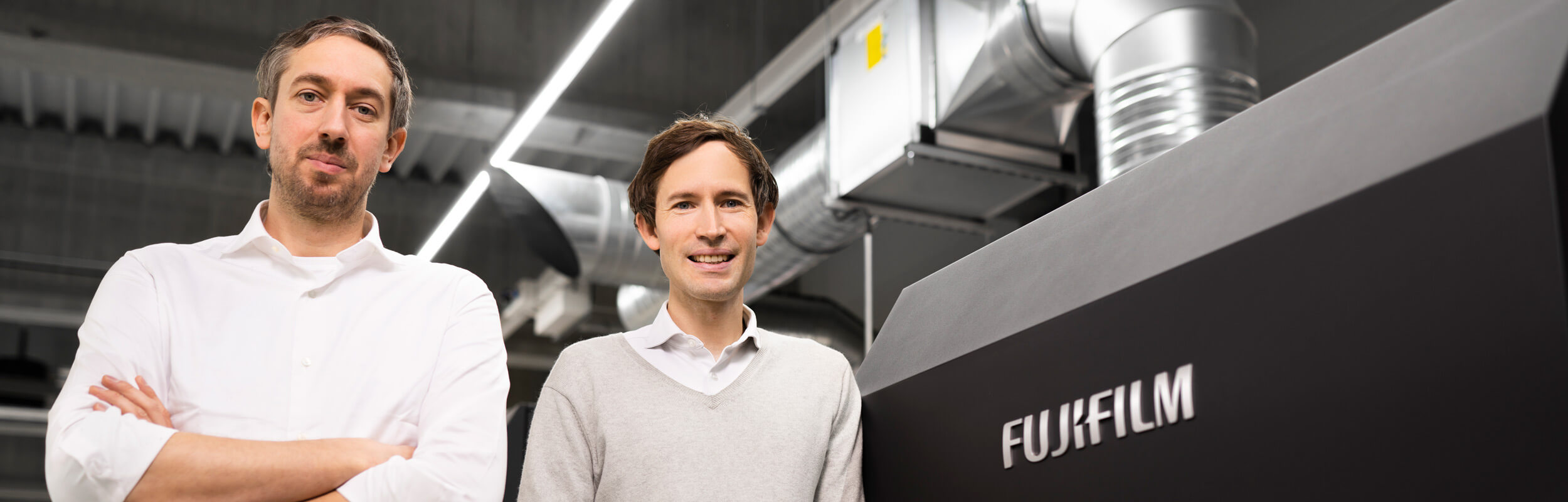
Based in Albstadt, southern Germany, Ebro Color is a modern, cardboard packaging print specialist with more than 90 years of history behind it. Founded in 1925, it has continually invested in new technologies over the years and now produces cardboard packaging and display units for a huge range of customers in a variety of sectors, from cosmetics to food, jewellery, and tourism. The business is run by brothers, and joint CEOs, German and Simon Brodbeck.

Back in 2018, though already something of a short-run specialist, offering run lengths as low as 25 units, the company decided to give itself even more flexibility and lower its costs further by making its first digital press investment. After a careful decision-making process, it chose to invest in the Fujifilm Jet Press 720S Commercial Printer, after being impressed by its quality and reliability.

“The Jet Press 720S gave us the ability to offer ultra-short-run jobs (down to runs of one) both quickly and profitably, enabled us to produce high quality samples and prototypes, and to seriously target the end user market and move our business to an online model for the first time.” Explains German Brodbeck.

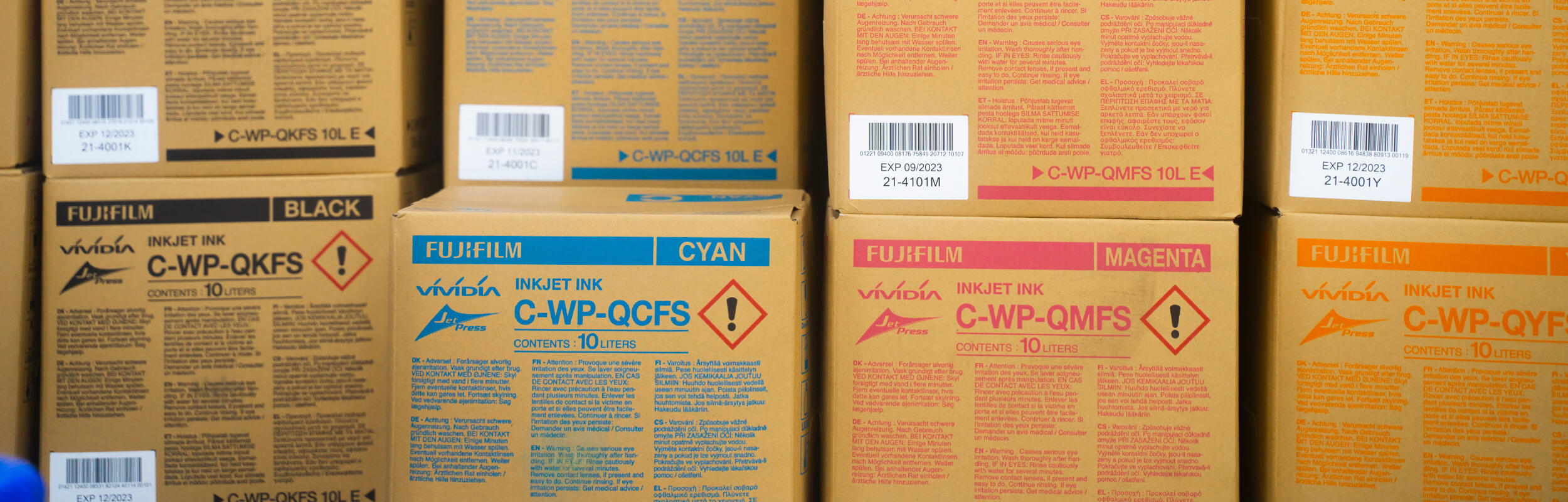
More recently, the company has become the first in Europe to use the Jet Press 720S Commercial Printer with Fujifilm’s new FS-1 food-safe ink.

“In the past, we had to produce all food safe packaging for our customers on offset, regardless of run length.” continues Mr. Brodbeck. “Using the Jet Press 720S with Fujifilm’s food-safe ink has given us the option to produce food safe packaging products quicker, at a much lower cost, offering us the flexibility to produce both short and long run lengths. The press is much easier to use with significantly less downtime, and greater environmental benefits, so we could not be more pleased with the investment. One of our main concerns was if the quality of print produced on the press would be affected, but we were delighted that both the quality and reliability has remained the same and the difference to offset is undetectable.”

“We are using it to produce not only food packaging but also toy and cosmetic packaging, due to customer health and safety concerns and regulations surrounding these products. Ultimately, it is helping us to run our business more efficiently and take on a broader range of work.”

Additionally, Ebro Color invested in the Jet Press 750S High Speed Model in October 2021.

“Following the business success we saw after using the Jet Press 720S, we decided to invest in the 750S High Speed Model to keep up with growing customer demand. Our main reason for choosing this press was the output and large print volumes it could produce. It has enabled us to keep downtime to a minimum, especially during our peak season, and alleviated pressure elsewhere in the factory, allowing us to move many jobs from offset to digital.

“Another key reason for this investment was the sustainability benefits it offered. As a packaging business, sustainability is at the forefront of our customers’ minds. With our Fujifilm investments, we make significant savings on waste, downtime, and consumables, helping us and our customers to contribute to a more circular economy.”

Ebro Color also has an Acuity B1, which it is using to print large format packaging products.

“Typically, there are a lot of teething problems when a new press is installed, but with all of our Fujifilm investments, we were able to start using them out of the box, with seamless integration into our existing workflow. Communication with Fujifilm is excellent, and they are always readily available to support us. We’ve worked with Fujifilm for many years, and for both commercial digital and wide format solutions.“ Concludes Mr. Brodbeck.

“The first use of the food-safe ink in Europe represents decades of innovation from Fujifilm and marks an exciting time for the digital print industry.” Comments Taro Aoki, Head of Digital Press Solutions, Fujifilm EMEA. “We are delighted to see how the combination of the Jet Press and our food safe ink have been real game changers for Ebro Color’s business over the years. We are excited to be able to continue this long term partnership with Ebro and look forward to seeing what is next for them.”

Jet Press 750S High Speed Model

Find out more about how the quality and speed of the Jet Press 750S High Speed Model make it ideal for folding carton applications

Discover Jet Press

Analogue. Digital. Sustainable.

Fujifilm for packaging: a story in three parts.

Read the article

Reading time: 6 minutes

The story of Fujifilm, since its founding in 1930s Japan, has been one of continuous innovation – sometimes incremental, sometimes radical, but always ongoing. Print is one of many sectors that has benefited from that innovation, especially over the past couple of decades as digital technology has made real inroads across the industry. That trend towards digitisation is apparent across the whole print market, but the pace of change differs dramatically from sector to sector.

One sector still in the comparatively early stages of that journey is packaging.

At Fujifilm, we understand how print can add value to packaging and are combining expertise in the very latest digital print technologies with an analogue heritage to create a product portfolio that supports the production of both analogue and digitally printed packaging.

We work with packaging producers whatever the stage of their journey; whether it’s helping them to optimise analogue production lines to maximise efficiency or introduce a digital capability. We don’t do one-size-fits-all – we do the right solution, for the right producer, at the right time. And all our solutions, whether analogue, digital or somewhere in-between, are designed to reduce waste and the use of environmentally harmful chemicals, minimise energy consumption and to be as sustainable as possible.

Analogue

With volumes typically far larger than other print sectors, digital is in its comparative infancy in the world of packaging. This means that not all producers are ready for significant digitisation of their printing operations and almost all that are will go hybrid, retaining significant analogue capability.

But continuing with analogue processes doesn’t mean the technology stands still – far from it. Technology and innovation have a huge role to play in the future of analogue package printing. Fujifilm is a key part of that future, with a constantly evolving analogue product portfolio designed to improve the performance and sustainability of analogue printed packaging.

First, there’s our Flenex FW water-washable flexo plates that eliminate environmentally harmful solvents often used in the plate-making process and are more durable than most alternatives, meaning fewer plate changes and less waste. And the sustainable benefits go hand-in-hand with greater press stability and therefore higher, more consistent quality. Then there’s our range of narrow web inks, which we have been supplying for many years, that have a deserved market reputation for both quality and versatility.

In addition, our retrofittable LuXtreme LED UV curing system, uniquely combining both LED UV curing hardware and a brand new range of LED UV inks, radically reduces energy consumption, eliminates harmful VOCs, requires lower maintenance and produces less waste. This results in lower costs, along with higher, more consistent quality, something that is a welcome bi-product of a lower energy system.

Digital

Fujifilm’s heritage and expertise in digital inkjet technology needs little introduction, but the detail of how this is being applied for packaging applications is less well known. Fujifilm has been a pioneer in inkjet technology since the late 1990s, with multiple solutions for wide format, commercial print and labels and packaging.

The Jet Press 750S High Speed Model has set a new standard for the quality that can be achieved with inkjet technologies. Well-known and highly respected in the commercial print sector, it is also designed to print short-run, folding-carton packaging at exceptionally high levels of quality, with many customers using it exclusively for this purpose.

Fujifilm also offers a wide range of scalable imprinting systems that bring the benefits of digital printing to analogue processes by combining Fujifilm’s proprietary technologies across printheads, ink and transport systems with the company’s in depth integration expertise. Based on Fujifilm’s world-leading Samba piezo-electric printbars, the company’s imprinting solutions allow digital inkjet printing to be integrated directly into existing analogue production lines for a broad range of industrial applications.

The Jet Press FP790 digital flexible packaging press features water-based inkjet technology, making it suitable for food packaging production. Built on decades of Fujifilm inkjet expertise, the Jet Press FP790 is designed to offer a digital alternative to flexo production for mainstream applications and print runs, and meets the strategic needs of businesses faced with the challenge of dealing with a widening variety of products – resulting in a proliferation of SKUs – and shorter delivery times.

Sustainable

As well as looking for a solution that’s the right fit for their business, modern packaging producers and the brands they serve are also looking for a solution that’s right for the planet. That’s why sustainability is one of the threads that links all of our packaging solutions, from analogue to digital and everything in-between.

Our Flenex plates reduce waste and eliminate the use of environmentally harmful solvents altogether, and when combined with our PRC1 filtration unit, water use is also minimised. Our LuXtreme LED UV curing system slashes energy use, and our narrow web Inks are solvent-free and manufactured in the UK at our award-winning Broadstairs factory, where extreme care is taken to ensure all manufacturing and operational processes are as environmentally responsible as possible.

Similarly, our imprinting solutions can breathe new life into an analogue production line, bringing additional functionality without the investment in a new line. Where a new investment is necessary to meet market needs, the Jet Press 750S and Jet Press FP790 digital presses eliminate many of the processes and consumables associated with traditional analogue production. Much has also been written about how the Jet Press 750S can contribute to a more circular economy.

Packaging producers, particularly multi-site global producers, are also looking for lasting partnerships with strong, innovative and highly capable suppliers with ambitions that match their own. Here Fujifilm’s legacy, technology portfolio, size and diversity gives the company a powerful platform to develop leading analogue and digital systems long into the future. With an ambition to support producers with their analogue production today, while leading the transition to digital over the long term, we are excited about our future in packaging and the partnerships we hope to develop.

We’re Fujifilm – we’re analogue, we’re digital and we’re always working to help packaging producers be more sustainable.

Learn more about our Label & Packaging solutions

Visit Sector

Digital print technology for a circular economy

This white paper has been published by Fujifilm as part of its commitment to deliver technically advanced and sustainable printing solutions for the print industry

Read the white paper

Reading time: 3 minutes

Where does print fit in the circular economy?

From books, newspapers, magazines and brochures to folders, annual reports and packaging, print remains a vital and highly effective branding, marketing and communications tool. But in an age of heightened environmental concern and ‘net zero’ carbon reduction targets, how can print be used in the most efficient and responsible way? In this white paper, we take a look at how the latest digital printing technology is dramatically cutting waste and making recycling much easier.

Download white paper

Fill out the form to download the full 12 page White Paper

We must do more

As part of the “European Green Deal” project, there is an action plan for the EU to boost the efficient use of resources by moving to a clean, circular economy, restore biodiversity and cut pollution, and be climate neutral by 2050. To achieve this goal, action must be taken at all levels. Switching to renewable energy will, on its own, reduce global greenhouse gas emissions by only 55%. The remaining 45% of emissions come from the way we make and use products, which means working smarter and wasting less.

Fujifilm is committed to fully integrating print into the circular economy. Net zero doesn’t have to mean online only – print will always have a vital role to play, and we’re committed to making sure it can always play that role efficiently, effectively and sustainably.

The way we print is changing

The graphics industry has many analogue techniques which, especially when used for bespoke or short run work, have an enormous impact on the environment.

Now, thanks to the latest developments in digital print technology, there are machines which can print while also:

• Massively reducing raw material use
• Using fewer and more sustainable consumables
• Needing far fewer parts replacing
• Producing less waste
• Consuming less water
• Producing 100% recyclable printed products

This technology is moving print from the linear to the circular economy in which everyone has a role to play in keeping our planet liveable and our prosperity intact.

Case study: Jet Press B2 Inkjet Press for Packaging

Packaging4Professionals

Case Study

Belgian start-up, Packaging for Professionals, aims to revolutionise the European packaging sector with a business model built entirely around Fujifilm’s groundbreaking Jet Press B2 inkjet press.

Packaging4Professionals

Fleurus, Belgium

Jet Press 720S

“The Jet Press is now the benchmark platform in this sector”

Mohamed Toual | Packaging4Professionals

Highlights

  • P4P was established to fill a gap in the European packaging market for high quality, low volume packaging, produced on demand
  • The quality, flexibility and efficiency of the Jet Press has overcome existing challenges
  • Been able to produce samples and prototypes which precisely match the media and the print quality of the finished product
  • Investment has allowed P4P to profitably and efficiently provide high quality packaging within extremely tight deadlines
  • The business was built around the capability of the Jet Press B2 Inkjet Press to produce high quality, short run packaging, combined with ‘Kanban’ ordering and manufacturing principles

Founded in the summer of 2015 by a small team with decades of experience in lean manufacturing systems and the packaging industry, Packaging for Professionals (P4P), based in Fleurus, just outside Brussels, was established to fill a gap in the European packaging market for high quality, low volume packaging, produced on demand. Having discovered Fujifilm and its industry-leading products while working in the automotive sector, company co-founder &CEO, Mohamed Toual, believed the company’s leading inkjet technologies would be the ideal solution for his new venture in the packaging sector. So much so, that the Jet Press 720S was the first investment he made when he founded P4P, with the business built entirely around the capability of the press to produce high quality, short run packaging based on “Kanban” ordering and manufacturing principles.

“Traditional printing in the packaging sector has always been problematic in two important areas” says Mohamed. “Prototypes were always inferior to the finished product – offering at best an indication of what the customer could expect – and there was also, inevitably, a time lag for the production run due to the amount of manual labour involved in the production process. The Jet Press 720S – which I believe is now the benchmark platform in this sector – has changed all this. Its quality, flexibility and efficiency mean that these challenges have been overcome.”

“Traditionally, clients in the packaging industry have doubted the ability of a digital press to match the quality of litho or flexo printing. However, our customers have been hugely impressed with the quality of what we have produced for them using the Jet Press, which is the most important thing.”

Mohamed Toual, CEO | Packaging4Professionals

“In our business, there are some requirements from marketing, for example, who need a quantity of fifty packaging prototypes, and there are other requirements for one million. Both are possible with the Jet Press 720S, as even with the big quantity you can split the quantity per month, per week or per day. The main point is the quality. With the right quality, it is not a problem to split long runs into smaller runs according to the demands of the customer.”

Already a popular press throughout Europe for commercial print applications, the Jet Press 720S can be configured to take folding carton board by using a modified vacuum jacket and higher vacuum pressure around the drum. This allows the press to accommodate a more diverse range of heavier carton boards commonly used in packaging applications.

The investment has allowed P4P to profitably and efficiently provide the company’s clients with packaging of the highest quality within extremely tight deadlines, as well as producing samples and prototypes which exactly match the finished product as they are printed on the same press on the same media. Mohamed has already built up an array of satisfied customers right across Europe – including well-known brands in food, cosmetics and pharmaceuticals – and is confident the Jet Press 720S will continue to help carve out a profitable new market in the packaging sector and ensure his business continues to grow.

Jet Press 750S High Speed Model

Find out more about how the quality and speed of the Jet Press 750S High Speed Model make it ideal for folding carton applications

Discover the Jet Press 750S High Speed Model

LuXtreme LED
UV System

Convert your UV flexo printing press to LED UV curing with wide-ranging benefits

Protect the planet and your profits

Optimise your narrow web production and sustainability with LED UV curing

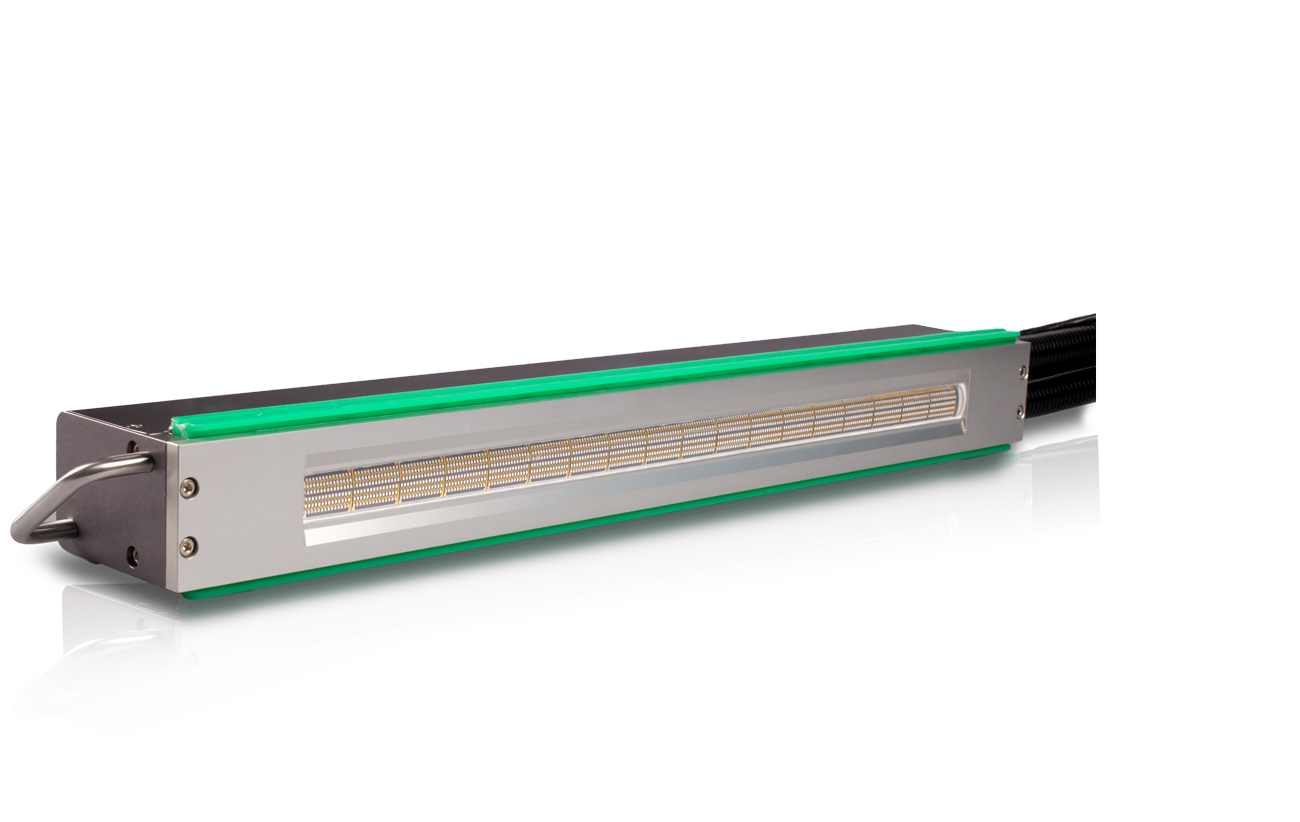
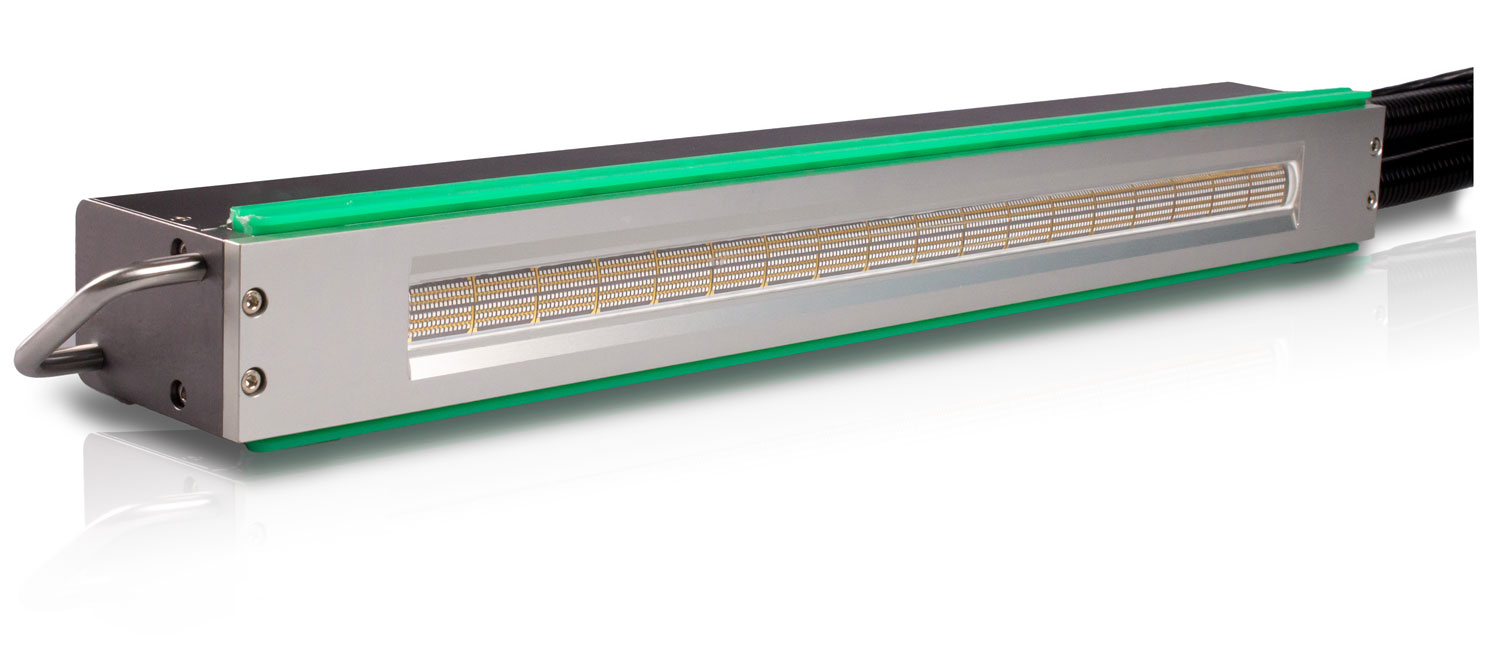
Fujifilm’s LuXtreme LED UV curing system, incorporating a new range of LED UV inks, can be used to convert any traditional UV Flexo printing press to LED UV curing to deliver increased productivity and quality, greater application versatility, lower costs and a lower impact on the environment.

Up to

50%

higher press speeds
Up to

75%

power reduction
Eliminate

VOCs

and reduce waste

Why LuXtreme LED UV System?

Improve productivity and quality with lower temperature LED UV curing

Reduce energy, materials, labour and waste to reduce overall production costs

Create a more sustainable production process with an improved working environment

Savings in energy, materials, labour and waste
Shorter job setups and make readies
Significant environmental benefits
Higher press running speeds
Reduced down-time due to maintenance

Xtreme upgrade

With our new LuXtreme LED UV curing system and CuremaX inks, any traditional narrow web press can be converted to LED curing.

A secure investment in proven LED UV technology

Thanks to the high performance of the LuXtreme LED UV curing system, productivity and quality improvements are significant. Not only can press speeds be increased, but job set up and make ready times can be reduced as there is less material distortion due to heat.

Productivity and quality improvements

The LuXtreme LED UV system improves substrate stability, resulting in a more controlled ramp up to production speeds, and it is often possible to achieve the required colours much faster with Fujifilm’s high performance CuremaX flexo ink system. Add to that improvements to the system reliability with much lower press down time, productivity gains can be significant.

Quality also becomes more consistent as the impact of the heat from the UV lamps is reduced, resulting in better registration and less substrate distortion.

Savings in energy, materials, labour and waste

Due to the reductions in power required for the LED UV lamps, cost savings can be made across the production process. The energy savings are significant, but material usage and waste are also reduced, and the lower maintenance required to support the LED UV curing system results in a much lower number of replacement parts, with lower associated labour costs.

Environmental improvements

The LuXtreme LED UV curing system has significant benefits to both the working environment and the environment as a whole. Energy use is reduced, VOCs are eliminated when running at full LED capabilities and the lower amounts of materials used and waste produced all benefit the environment. The working environment for operators is also improved, with many undesirable factors eliminated or reduced, including heat from the conventional UV lamps, ambient noise and odour.

CuremaX flexo inks

Fujifilm’s CuremaX ink ranges include dual cure products designed to work alongside the LuXtreme LED lamp systems with the added benefit of curing under conventional UV lamps. Each CuremaX ink range incorporates a range of colours, process inks, metallic shades and specialist products, and are all formulated to meet the changing demands of the flexo industry. The manufacturing of these products ensure a consistent, high quality result time after time with vibrant strong colours.

Key benefits that CuremaX inks offer include:

  •  Low viscosity press ready colours
  • High colour density – Similar colour characteristics to the Sericol Flexo JD UV curing ink range
  • Adhesion to a wide range of synthetic substrates Including top coated PE & PP, PVC, PET, some thermal papers, metallised foils and most commonly available papers
  • Suitable for a wide range of applications including self-adhesive labels and unsupported films for sachets and pouches
  • Over printable with thermal transfer ribbons and cold foil adhesives – Good hot foiling properties
  • Dedicated Pantone®* formulation matching system – Flexo sleeve white for shrink sleeve applications

Discover more…

Download our LuXtreme LED UV curing system brochure

Download now

Design for Environment

The FUJIFILM Group undertakes environmentally conscious product development based on its design for environment initiative.

Read the article

Reading time: 4 minutes

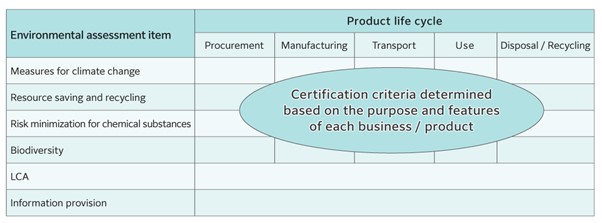
As part of its wider global Sustainable Value Plan 2030 (SVP2030), Fujifilm undertakes environmentally conscious product development based on its design for environment initiative. This considers the entire lifecycle of a product, from procurement, manufacturing, transportation, use to the eventual disposal, to set targets from the perspective of climate change mitigation (reduced power use, etc.). From the design stage, the “Reduce, Reuse & Recycle” principle of resource saving, risk reduction of chemical substances, and biodiversity are all considered as part of the development process.

This approach is applied not only to materials and standalone equipment, but also to software and solutions in a bid to reduce environmental impact in the society as a whole. The Life Cycle Assessment (LCA) is conducted to achieve a quantitative and objective assessment of the environmental impact of a product. The environmental label is also used for active dissemination of information.

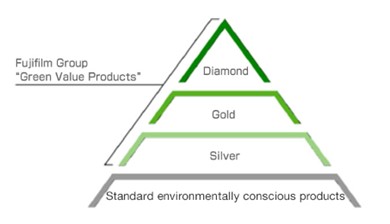
“Green Value Products” Certification Program

In an effort to “contribute to resolving environmental issues in society through our products and services,” as set out in the Sustainable Value Plan targeted for FY2030, Fujifilm introduced a “Green Value Products” certification program in FY2018.  This program compliments the company’s existing internal regulations on design for environment, and aims to clarify any product’s environmental values and involves the certification of products exhibiting outstanding environmental credentials.

This certification program sets certain priorities to the certification criteria according to the product category and the use and features of each product through its entire life cycle. Fujifilm then clarifies the environmental value of each product by conducting environmentally conscious design assessments based on such certification criteria at the time of product development. Certain products are then selected for certification based on the total score of each assessment item. These products are reviewed and approved by the Group Certification Council, and finally certified as a Fujifilm “Green Value Product”.

The certification criteria are determined for the entire life cycle of each product with a different weight for each assessment item, by comprehensively assessing the environmental items such as “measures for climate change,” “resource saving and recycling,” “risk minimisation for chemical substances,” and “biodiversity” as well as considering the social requirements for each business/product category.

This certification program is implemented in compliance with the requirements of the international standard “ISO14021 Self-declared Environmental Claims” and obtains the opinions of external experts in order to ensure the objectivity, reliability, and transparency of the program.

Certification ranking and criteria

Fujifilm classifies its products into three certification ranks (diamond, gold, and silver) according to the degree of their contribution to the reduction of environmental impact.

RankCertification criteria
DiamondProducts and services that user their respective industries’ innovative technologies to substantially contribute to reducing environmental impact
GoldProducts and services that reduce environmental impact at their respective industries’ highest level
SilverProducts and services that reduce environmental impact at a higher level than their respective industries’ standard

Product examples

In Fujifilm’s Graphic Arts business, the following products have been certified for their environmental performance:

Jet Press 750S High Speed Model:  GOLD

Effects on reduction of environmental impact:

  • Many of the consumables associated with conventional offset printing are eliminated
  • Significantly reduces the amount of wasted paper
  • Smaller footprint compared to previous models
  • The efficient drying mechanism reduces drying times, contributing to significantly higher speeds, and saving power
  • Excellent paper recycleability (de-inking ability)

Overall, there are significant reductions in resources, water use and waste compared to equivalent offset presses, with excellent paper recycling.

Revoria Press PC1120:                      SILVER

The requirements of major environment labels for energy consumption, hazardous substances, audible sound levels during operation and recyclable design are satisfied.

Revoria E1 Series:                             SILVER

The requirements of major environment labels for energy consumption, hazardous substances, audible sound levels during operation and recyclable design are satisfied.

Sustainability targets and the environment

Fujifilm has comprehensive targets relating to sustainability and the environment which lay the foundations for its business management strategies to achieve sustainable growth

Read the article

Reading time: 5 minutes

Fujifilm’s Sustainable Value Plan 2030 (SVP2030)

The Fujifilm Group announced its Sustainable Value Plan 2030 (SVP2030) in August 2017. The new plan set targeting FY2030 as its long-term goal, which is expected to lay the foundations of the Group’s business management strategies for sustainable growth. One of the key pillars of the SVP2030 is dedicated to the environment.

The environment and sustainability

There are four priority issues, regarding the environmental part of the SVP2030, each with its own set of targets:

  1. Address climate change
  2. Promote the recycling of resources
  3. Address energy issues towards a decarbonised society
  4. Ensure product and chemical safety

1. Address climate change

Reduce the Fujifilm Group’s own CO2 emissions

Reduce CO2 emissions across the entire product life cycle*1 by 50% by FY2030, compared to the FY2019 level

So far (2020) the progress is 15%, 29% of the way towards the target


Reduce CO2 emissions from its operations (Scope 1 and 2) *2 by 50% by FY2030, compared to the FY2019 level, aiming to achieve net zero CO2 emissions by FY2040

So far (2020) the progress is 6%, 13% of the way towards the target


Convert 50% of purchased electric power to renewable energy-derived power by FY2030

So far (2020) the progress is 9%, 18% of the way towards the target

Contribute to reduce CO2 emissions in society through the use of Fujifilm’s products and services.

Contribute to a reduction in the CO2 emissions generated by society by 90 million tons by FY2030


Fujifilm has recently increased its target for contributing to reducing CO2 emissions generated in society from 50 million tonnes to 90 million tonnes.  The aim is to achieve this by replacing conventional products with products that are more sustainable.

So far (2020) the progress is 20 million tonnes, 23% of the way towards the target


Increase the % of products certified as “Green Value Products” to 60% of group-wide sales by FY2030.

The Fujifilm Group operates the “Green Value Products” certification scheme, a mechanism for continually creating superior environmentally conscious products and services. In fiscal 2020, 30 new products were certified, bringing the total to 166 (32%), and the company increased the target for the number of products certified to 60% of group-wide sales. As such, Fujifilm is over half-way towards this target.

So far (2020) the progress is 32%, 53% of the way towards the target.

*1 Including phases such as procurement of materials, and manufacturing, transportation, usage and disposal of products.

*2 Direct emission from the company at the manufacturing stage of the product (Scope 1) and indirect emission due to the use of electricity / steam supplied from other companies (Scope 2).

Promote the recycling of resources

Reduce the amount of water the Fujifilm Group uses by 30% by FY2030 (compared to FY2013 levels)

The result in FY2020 was 16%, so the company is over half-way towards the goal of 30% by FY2030.

Contribute to the treatment of 35 million tonnes of water per year in society by FY2030

The result in FY2020 was 8 million tonnes, so the company is around 23% of the way towards the goal of 35 million tonnes by FY2030.

Reduce the amount of waste produced by the Fujifilm Group by 30% by FY2030 (compared to FY2013 levels)

Fujifilm has managed to ensure that the amount of waste produced by the Group did not increase in FY2020, despite rising revenues and an expansion of the business, but has not yet managed to make the reductions planned.  This is a key area of focus for the future.

Achieve a recycling index*3 of more than 10 by FY2030 (was 6.5 in FY2020)

Achieve a valuables conversion index*4 of more than 1 in FY2030 (was 0.63 in FY2020)

*3 Recycling index = (Recycled volume + Valuable-converted volume) / Simple disposal volume

*4 Valuables conversion index = Valuable-converted volume / Recycled volume

Address energy issues towards a decarbonised society

By contributing to the creation and widespread use of renewable energies through advanced materials, Fujifilm aims to help address energy issues and the move towards a decarbonised society. In particular, a New Energy and Industrial Technology Development Organisation (NEDO) started the development of an “all solid state lithium-ion battery” – a next generation storage battery for electric vehicles, under an industry-government-academia collaboration. Fujifilm is participating in the project as one of 23 manufacturers of cars and batteries.

Ensure product and chemical safety

Under this objective, Fujifilm’s aim is to minimise the adverse effect of chemical substances on human health and the environment. In particular, Fujifilm completed the replacement of 2 of 7 chemical substances within the high priority substances for risk management, a new classification established in 2020.  In addition, Fujifilm held online briefings for business partners and achieved 90% understanding of the chemSHERPA chemical information communication system, contributing to further improvement of management accuracy for hazardous substances used in products.

Case Study: Flenex FW Printing Plates

Aztec Label

Case Study

Leading UK label manufacturer adopts Fujifilm’s water washable Flenex FW Printing Plates following successful trial

Aztec Label

West Midlands, UK

Flenex FW

We already had a strong working relationship with Fujifilm, having used their inks for some time, and the Flenex trial was an instant success, immediately remedying the problems we were facing.

Colin Le Gresley | Managing Director, Aztec Label

Highlights

  • The commitment follows a successful trial of the plates in May 2021
  • Aztec Label credited the processor with further time savings to the platemaking process and said it is impressed with the performance of the inks
  • The UK-based firm also invested in a Fujifilm C-Touch processor and new Fujifilm UV-LED JJ inks
  • The company’s investment is helping it meet customers’ quality and speed of delivery demands

Established in 1993, Aztec Label manufactures a huge range of self-adhesive labels and tags in a variety of colours, sizes and quantities for customers in the UK and abroad. The company has been growing steadily since its founding and now employs 25 people at its West Midlands facility and turns over £3.6 million annually.

“The key demands our customers place on us are quality and speed of delivery,” says Colin Le Gresley, Managing Director, Aztec Label. “Whatever the industry, whether it’s food and beverage; pharma and medical; household and personal care; automotive or any number of other sectors – all of our customers are looking for consistently high-quality and reliable prompt deliveries. To make sure we’re meeting those expectations, we’re always on the lookout for technological solutions that will help us to improve, and that’s why we decided to trial Fujifilm’s Flenex FW water-washable plates.”

We achieved excellent plate washout in half the time with no sludge build up in the processor. Platemaking is faster now, and there are far fewer plate failures, so it was an easy decision

Colin Le Gresley | Managing Director, Aztec Label

“We’d been having some issues with the plate material from our previous supplier, and Fujifilm’s Flenex solution looked like a promising alternative to us. We already had a strong working relationship with Fujifilm, having used their inks for some time, and the Flenex trial was an instant success, immediately remedying the problems we were facing. We achieved excellent plate washout in half the time with no sludge build up in the processor. Platemaking is faster now, and there are far fewer plate failures, so it was an easy decision.”

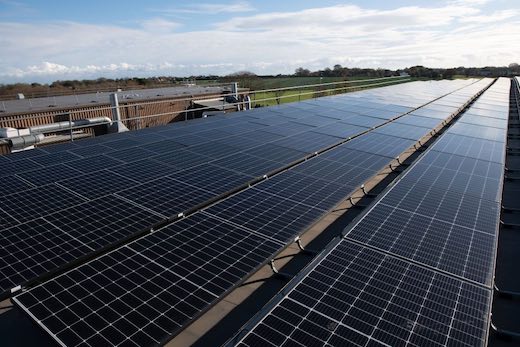
Aztec is no stranger to water washable plate technology, having been making water wash plates for nearly a decade, part of the company’s commitment to sustainability and the environment. Aztec also made a massive investment in solar power several years ago with the installation of solar panels across the factory roof as part of a £250,000 refurbishment. The company was also an early adopter of the BPIF ‘Zero Labels 2 Landfill’ scheme in 2017. “The Flenex investment is yet another step in helping us to continue to be a sustainable pre-press and print supplier,” says Le Gresley.

A Fujifilm C-Touch processor and new Fujifilm UV-LED JJ inks also formed part of the investment. Le Gresley credits the processor with further time savings to the platemaking process and is impressed so far with the performance of the inks.

Flenex FW

Find out more about all the advantages of Fujifilm’s water-washable flexo plates

Discover Flenex FW