Argomento di studio
L'investimento nella Revoria Press PC1120 rappresenta la prima incursione di Arti Grafiche Biellesi nella tecnologia di stampa digitale dopo molti anni di produzione su macchine analogiche.

Arti Grafiche Biellesi

Candelo, Italia

Revoria Press PC1120

Fujifilm ha una grande esperienza in questo settore e siamo entusiasti di lavorare con loro e di vedere come il nostro nuovo investimento in Revoria possa aiutarci a intraprendere un nuovo capitolo".
Alberto Maula | Arti Grafiche Biellesi
Punti salienti
- Arti Grafiche Biellesi è un fornitore esperto di servizi di stampa specializzato in applicazioni commerciali e di imballaggio di alto valore.
- In seguito all'aumento della domanda di tirature ridotte e di lavori di stampa specializzati, l'azienda ha investito nella Fujifilm. Revoria Press PC1120
- L'investimento segna il passaggio dall'offset al digitale per l'azienda
- Arti Grafiche Biellesi prima doveva esternalizzare il lavoro che richiedeva l'inchiostro bianco, ma ora può produrlo tutto in casa
- La possibilità di stampare in colori speciali, con inchiostro bianco e su un'ampia gamma di substrati è stata la ragione principale dell'investimento.
- Arti Grafiche Biellesi è fiduciosa che l'investimento aiuterà l'azienda a progredire e a rispondere alle richieste dei clienti.
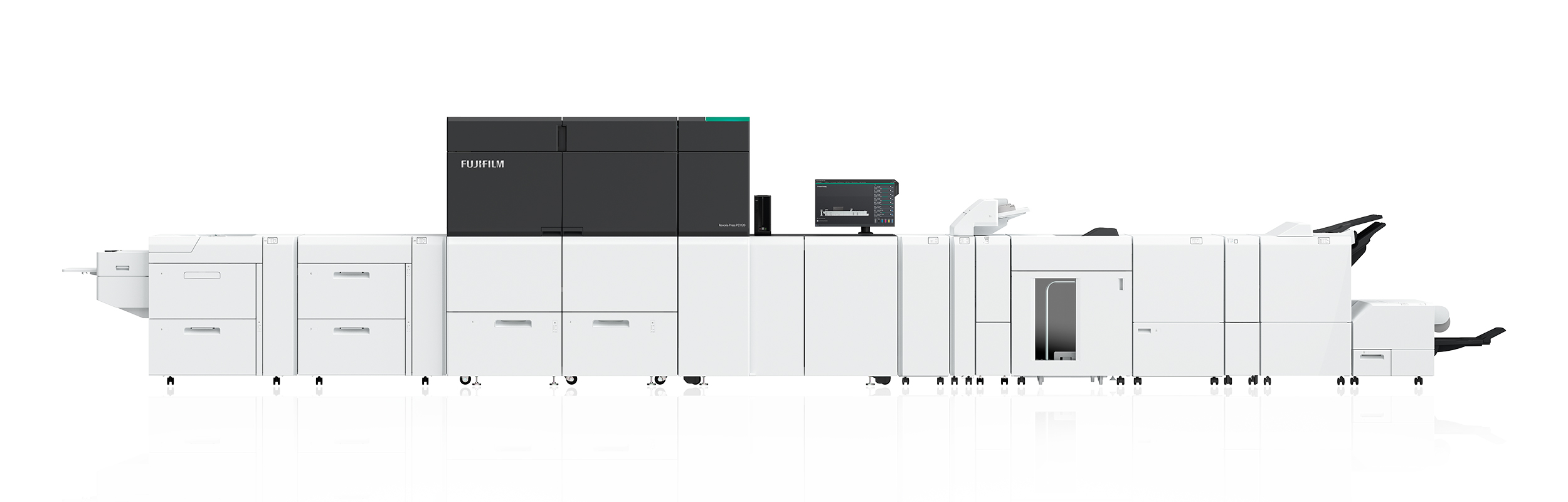
Con sede nel biellese, a Candelo, nell'Italia nord-occidentale, Arti Grafiche Biellesi è un fornitore di servizi di stampa specializzato in un'ampia gamma di prodotti stampati. Dai cataloghi alle brochure, dalle vetrine alle etichette e agli imballaggi, l'azienda offre molta versatilità e competenza. È anche un'azienda adattabile e lungimirante e ha recentemente investito nella Fujifilm. Revoria Press PC1120, La nuova macchina da stampa a toner da 120 ppm, che riconosce l'aumento della domanda di tirature ridotte e di lavori di stampa specializzati. Arti Grafiche Biellesi ritiene che questo investimento aiuterà l'azienda a progredire.
“Per realizzare i nostri prodotti stampiamo su una gamma molto varia di materiali”, spiega Alberto Maula, titolare di Arti Grafiche Biellesi. “Non siamo un'azienda di stampa convenzionale; la 90% parte del nostro lavoro è costituita da imballaggi legati al settore tessile e da confezioni per la moda e i beni di lusso. Questo comporta lavori di stampa complicati su carte speciali, alcune colorate, altre molto spesse, che possono essere a base di cartone e avere superfici ruvide. Il risultato finale è costituito da prodotti di qualità eccezionale e, sebbene abbiamo avuto molto successo con le nostre attrezzature offset, riconosciamo che la stampa digitale è un fattore sempre più importante nell'evoluzione del settore.

Con la nuova macchina da stampa Revoria, possiamo realizzare lavori di stampa con colori speciali e stampare su una più ampia varietà di supporti con spessori diversi. L'inchiostro bianco, in particolare, è notevole, e anche l'argento e l'oro hanno un aspetto fantastico.
Alberto Maula | Arti Grafiche Biellese
“Abbiamo fatto il nostro primo investimento in apparecchiature di stampa digitale con la Fujifilm e la Revoria Press PC1120. Questa macchina ci aiuterà a soddisfare le esigenze dei nostri clienti; non solo per la creazione di lavori in bassa tiratura, che ora stanno diventando sempre più comuni, ma ci aiuterà a creare dei lavori di stampa incredibili.”
I colori e la versatilità sono stati la chiave dell'investimento. Maula prosegue: “Con la nuova macchina da stampa Revoria possiamo realizzare lavori di stampa con colori speciali e stampare su una più ampia varietà di substrati con spessori diversi. L'inchiostro bianco, in particolare, è straordinario e ci aprirà molte nuove porte: finora abbiamo avuto molte richieste di lavori di stampa con inchiostro bianco che abbiamo dovuto esternalizzare. Anche l'argento e l'oro hanno un aspetto fantastico e ci sono molti modi in cui possiamo creare prodotti bellissimi per i nostri clienti”.”
Il mercato della stampa digitale può essere nuovo per Arti Grafiche Biellesi, ma per Alberto Maula è un viaggio entusiasmante da intraprendere: “Siamo conosciuti per la stampa offset, da sempre. Ma il passaggio al digitale, pur essendo per noi un settore sconosciuto, è ricco di opportunità. Fujifilm ha una grande esperienza in questo settore e siamo entusiasti di lavorare con loro e di vedere come il nostro nuovo investimento in Revoria può aiutarci a intraprendere un nuovo capitolo.”
Taro Aoki, responsabile delle soluzioni di stampa digitale di Fujifilm Graphic Communications Europe, afferma: “Arti Grafiche Biellesi sa come stampare lavori eccezionali e creare prodotti visivamente straordinari per i suoi clienti. Siamo lieti che considerino la Revoria Press PC1120 una parte fondamentale della loro attività per il futuro”.”
Revoria Press PC1120
Per saperne di più sulle caratteristiche pluripremiate del modello Revoria Press PC1120
Scoprite il modello Revoria Press PC1120Argomento di studio
Il principale produttore di etichette del Regno Unito adotta le lastre di stampa Fujifilm lavabili in acqua Flenex FW dopo una prova di successo
Etichetta azteca
Midlands occidentali, Regno Unito
Flenex FW
Avevamo già un forte rapporto di collaborazione con Fujifilm, avendo utilizzato i loro inchiostri per un certo periodo di tempo, e la prova di Flenex è stata un successo immediato, risolvendo immediatamente i problemi che stavamo affrontando. problemi che stavamo affrontando.
Colin Le Gresley | Amministratore delegato dell'etichetta azteca
Punti salienti
- L'impegno segue il successo della sperimentazione delle piastre nel maggio 2021.
- Etichetta azteca ha riconosciuto al processore un ulteriore risparmio di tempo nel processo di produzione delle lastre e si è detta impressionata dalle prestazioni degli inchiostri.
- L'azienda britannica ha inoltre investito in un processore C-Touch Fujifilm e in un nuovo processore Fujifilm. Inchiostri UV-LED JJ
- L'investimento dell'azienda sta aiutando a soddisfare le richieste di qualità e velocità di consegna dei clienti.
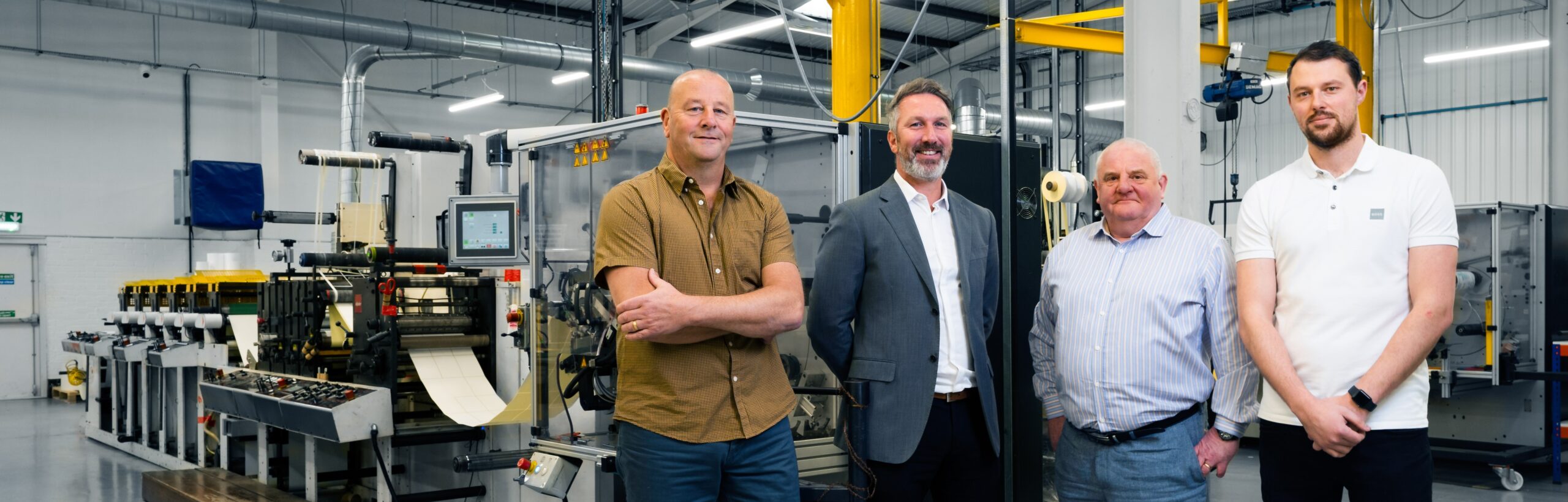
Fondata nel 1993, Aztec Label produce una vasta gamma di etichette e cartellini autoadesivi in una varietà di colori, dimensioni e quantità per clienti nel Regno Unito e all'estero. L'azienda è cresciuta costantemente sin dalla sua fondazione e oggi impiega 25 persone nello stabilimento di West Midlands, con un fatturato annuo di 3,6 milioni di sterline.
“Le richieste principali dei nostri clienti sono la qualità e la velocità di consegna”, afferma Colin Le Gresley, amministratore delegato di Aztec Label. “Qualunque sia il settore, che si tratti di alimenti e bevande, farmaceutico e medicale, cura della casa e della persona, automobilistico o di qualsiasi altro settore, tutti i nostri clienti sono alla ricerca di consegne rapide, affidabili e di alta qualità. Per essere certi di soddisfare queste aspettative, siamo sempre alla ricerca di soluzioni tecnologiche che ci aiutino a migliorare, ed è per questo che abbiamo deciso di provare la Fujifilm. Flenex FW piatti lavabili in acqua.”
Abbiamo ottenuto un eccellente lavaggio delle lastre nella metà del tempo, senza accumuli di fango nel processore. Ora la produzione di lastre è più veloce e i guasti alle lastre sono molto meno numerosi, quindi la decisione è stata facile.
Colin Le Gresley | Amministratore delegato dell'etichetta azteca
“Abbiamo avuto problemi con il materiale per lastre del nostro precedente fornitore e la soluzione Flenex di Fujifilm ci è sembrata un'alternativa promettente. Avevamo già una solida relazione di lavoro con Fujifilm, avendo utilizzato i suoi inchiostri per qualche tempo, e la prova di Flenex è stata un successo immediato, risolvendo immediatamente i problemi che stavamo affrontando. Abbiamo ottenuto un eccellente lavaggio delle lastre in metà tempo, senza accumuli di fango nel processore. Ora la produzione di lastre è più veloce e i guasti alle lastre sono molto meno numerosi, quindi la decisione è stata facile”.”
Aztec non è estranea alla tecnologia delle lastre lavabili ad acqua, poiché produce lastre lavabili ad acqua da quasi un decennio, come parte dell'impegno dell'azienda per la sostenibilità e l'ambiente. Aztec ha anche effettuato un massiccio investimento nell'energia solare diversi anni fa, con l'installazione di pannelli solari sul tetto dello stabilimento nell'ambito di una ristrutturazione da 250.000 sterline. L'azienda è stata anche una delle prime ad adottare il programma BPIF ‘Zero Labels 2 Landfill’ nel 2017. “L'investimento di Flenex è un ulteriore passo avanti per aiutarci a continuare a essere un fornitore di prestampa e stampa sostenibile”, afferma Le Gresley.
Anche un processore Fujifilm C-Touch e i nuovi inchiostri Fujifilm UV-LED JJ hanno fatto parte dell'investimento. Le Gresley attribuisce al processore un ulteriore risparmio di tempo nel processo di produzione delle lastre e finora è rimasto impressionato dalle prestazioni degli inchiostri.
Flenex FW
Scopri tutti i vantaggi delle lastre flessografiche lavabili in acqua Fujifilm
Scoprire Flenex FWArgomento di studio
Tech:art ottiene vantaggi in termini di produttività con la stampante Fujifilm Acuity Prime 30 Flatbed
Tech:art
Trofarello, Italia
Acuity Prime
La produttività della macchina è di gran lunga superiore a quella che ci aspettavamo e supera qualsiasi altra macchina che abbiamo visto prima in una fascia di prezzo simile.
Davide Salvo | Tecnologia:arte
Punti salienti
- Tech:art era alla ricerca di una macchina in grado di gestire la crescente domanda di qualità, velocità e utilizzo di inchiostri e vernici speciali da parte dei clienti.
- La facilità d'uso, l'eccellente qualità di stampa, la produttività e la fiducia nell'Fujifilm sono stati citati come motivi principali per l'investimento.
- Il Acuity Prime 30 Stampante a letto piano ha superato tutte le aspettative e i requisiti di Tech:art per soddisfare le richieste dei clienti
- I clienti hanno fornito un feedback positivo dopo l'installazione e l'investimento ha persino portato Tech:art ad acquisire nuovi clienti.
- A parte i vantaggi tecnici, Tech:art è rimasta colpita dal design elegante dell'Acuity Prime 30
- Tech:art è stata molto soddisfatta del servizio e del supporto fornito da Fujfifilm e si sente sicura di aver trovato un partner a lungo termine.
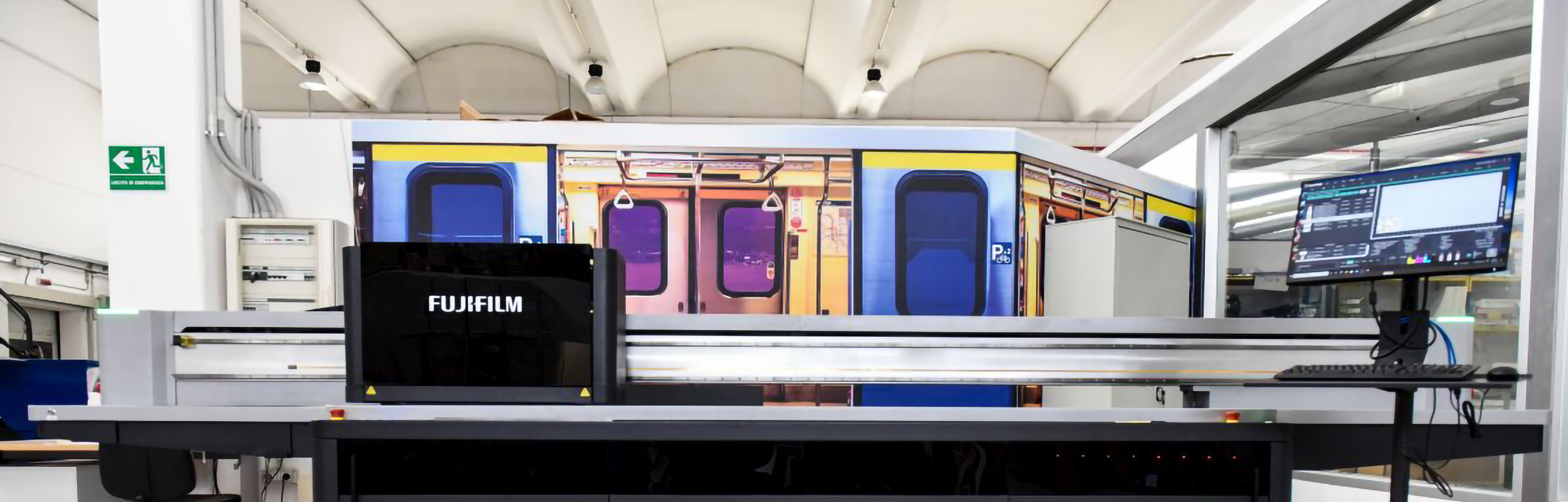
Nei pochi mesi successivi all'installazione, Tech:art è rimasta molto colpita. Davide Salvo, General Manager di Tech:art, afferma: “Quando la macchina è stata installata per la prima volta, c'erano alcune calibrazioni finali da effettuare, ma non vedevamo l'ora di usarla e abbiamo iniziato a eseguire i lavori di produzione. Siamo rimasti subito impressionati. La produttività della macchina va ben oltre le nostre aspettative e supera quella di qualsiasi altra macchina che abbiamo visto in precedenza in una fascia di prezzo simile.
“Abbiamo sentito parlare per la prima volta del Acuity Prime nell'estate del 2021 da un contatto di vendita dell'Fujifilm”. Salvo prosegue. “Siamo rimasti molto colpiti dalla facilità d'uso e dall'eccezionale qualità di stampa e produttività che offre. Questo, insieme alla nostra fiducia nella Fujifilm come marchio, ci ha portato alla decisione di investire”.”
Siamo rimasti molto colpiti dalla facilità d'uso e dall'eccezionale qualità di stampa e produttività che offre. Questo, insieme alla nostra fiducia nella Fujifilm, ci ha portato alla decisione di investire.
Davide Salvo | Tecnologia:arte
“In genere utilizziamo la macchina per applicazioni di interior design come legno, plexiglass, vetro e metallo, oltre che per la segnaletica. In precedenza utilizzavamo una macchina della concorrenza, ma era impossibile stampare con la qualità e la velocità che ora possiamo ottenere con la Acuity Prime 30".
“I nostri clienti ci pongono esigenze molto specifiche ed elevate. Richiedono alta qualità e tempi di consegna rapidi e, più recentemente, ci chiedono lavori che richiedono l'uso di primer, vernici e inchiostri bianchi speciali. Con la Acuity Prime 30 siamo stati in grado di soddisfare queste richieste e molti dei nostri clienti ci hanno già dato un feedback positivo sulla qualità di stampa e sull'ampia gamma di colori che offre. Sono rimasti colpiti anche dalla forte adesione dell'inchiostro e dall'ampia gamma di materiali utilizzabili. In effetti, con l'aggiunta di questa macchina, siamo riusciti ad acquisire nuovi clienti. Guardando al futuro, ritengo che la personalizzazione sia una delle principali tendenze del mercato di quest'anno e sono fiducioso che la macchina sia in grado di offrire un'ottima qualità di stampa. Acuity Prime ci permetterà di soddisfare tali richieste”.”
“Oltre ai vantaggi tecnici, siamo rimasti molto colpiti anche dal design elegante, attraente e facile da usare. Non esiterei a raccomandare la Acuity Prime 30: ha reso la nostra attività molto più redditizia grazie alla sua velocità e ai ridotti livelli di consumo di inchiostro”.”
Il signor Salvo riconosce anche il suo apprezzamento per la Fujifilm. “Non possiamo sbagliare il servizio e l'assistenza che abbiamo ricevuto dalla Fujifilm durante tutto il processo di vendita e installazione. Siamo certi di aver trovato in Fujifilm un ottimo partner a lungo termine”.”
Acuity Prime
Scoprite perché la Acuity Prime è in grado di ottenere una produttività e una qualità ai vertici del settore.
Scoprite il modello Acuity PrimeArgomento di studio
Il produttore britannico di insegne afferma che il livello di prestazioni della Acuity Prime è di gran lunga superiore a quello di qualsiasi altra stampante in piano con un prezzo simile.
Soluzioni per la stampa a Ebbsfleet
Gravesend, Kent
Acuity Prime
Non credo che avremmo potuto spendere meglio questa somma di denaro, in termini di qualità complessiva, capacità di stampa e di produzione che abbiamo appena aggiunto alla nostra attività, se non con la Acuity Prime.
Soluzioni di stampa Ebbsfleet | Sam Cherry
Punti salienti
- Azienda di stampa digitale con sede nel Kent, con oltre 20 anni di esperienza nel settore della cartellonistica
- Si è reso conto che il Stampante a getto d'inchiostro in piano Acuity Prime e hanno prenotato una dimostrazione video, dove sono rimasti immediatamente impressionati e non riuscivano a credere alle prestazioni della stampante.
- L'azienda è stata fondata nel 1999 e si è costruita una reputazione per il servizio e la qualità.
- Fornisce le autorità governative locali e i principali supermercati.
- Alla fine del 2021, l'azienda era alla ricerca di una stampante in piano altamente efficiente.
- Ha investito nella nuova macchina nel gennaio 2022 attraverso RA Smart, uno dei partner di distribuzione di Fujifilm UK.
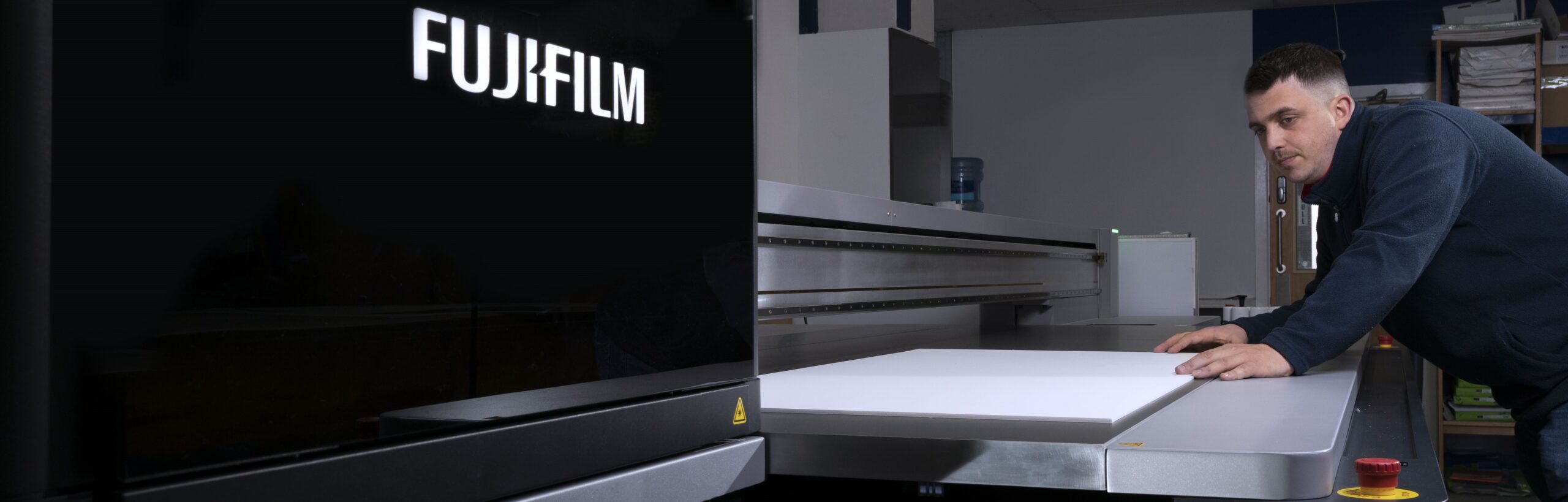
Azienda di stampa digitale con sede nel Kent, Soluzioni per la stampa a Ebbsfleet, L'azienda, con oltre 20 anni di esperienza nella produzione di insegne, serve Gravesend e le aree circostanti del Kent. Fondata nel 1999, l'azienda si è costruita una reputazione di servizio e qualità che l'ha portata a rifornire le principali autorità governative locali e i più importanti supermercati. Alla fine dell'anno scorso, l'azienda era alla ricerca di una stampante flatbed altamente efficiente e, dopo aver scoperto la Acuity Prime Fujifilm, sono rimasti così impressionati da investire nella nuova macchina nel gennaio 2022 attraverso RA Smart, uno dei partner di distribuzione di Fujifilm UK.
Ebbsfleet Print Solutions aveva inizialmente prenotato una dimostrazione video della Stampante a getto d'inchiostro in piano Acuity Prime, Dopo essere rimasta sufficientemente impressionata dalle capacità della stampante, l'azienda si è immediatamente prenotata per una dimostrazione dal vivo presso lo stabilimento Fujifilm di Broadstairs alla fine del 2021.
Riteniamo che la stampante flatbed Acuity Prime abbia prestazioni superiori a qualsiasi altra stampante di questa fascia di prezzo.
Sam Ciliegia | Soluzioni di stampa Ebbsfleet
“Quasi non credevamo a quello che stavamo vedendo durante la dimostrazione video”, dice Sam Cherry, direttore di Ebbsfleet Printing Solutions. “La stampante si è comportata al di là delle nostre aspettative, ma trattandosi di una stampante nuova sul mercato abbiamo ritenuto necessario andare a vedere da vicino. Ci siamo recati presso la sede della Fujifilm a Broadstairs e quello che abbiamo visto ci è piaciuto così tanto che abbiamo ordinato subito”.”
Cherry ritiene che la qualità di stampa prodotta durante le dimostrazioni video e dal vivo sia tale da permettergli di affermare che la Acuity Prime è di gran lunga la migliore stampante del suo genere. “Siamo convinti che la Acuity Prime abbia prestazioni superiori a qualsiasi altra stampante di questa fascia di prezzo”, afferma Cherry. “In effetti, le altre macchine che abbiamo preso in considerazione e che offrivano questo livello di produttività di stampa avevano in genere un prezzo doppio”.”
La stampante è stata installata presso Ebbsfleet Printing Solutions a metà gennaio e Cherry ha dichiarato che la macchina ha già avuto un grande impatto sulle operazioni. “La Acuity Prime ci consente di fornire un servizio migliore ai nostri clienti, rispettando le loro scadenze in un mondo in cui il tempo è fondamentale. Possiamo offrire un approccio più snello e un ottimo prodotto finale. Finora abbiamo utilizzato la stampante per pochissimo tempo su acrilico, Foamex e Dibond e siamo già molto colpiti dalla produzione.
“Non credo ci sia modo migliore di spendere questa somma di denaro in termini di qualità complessiva, capacità di stampa e capacità di produzione che abbiamo appena aggiunto alla nostra attività che con il sistema di stampa. Acuity Prime.”
Guarda il video
Stampante UV a letto piano Acuity Prime
Scoprite perché la Acuity Prime è in grado di ottenere una produttività e una qualità ai vertici del settore.
Scoprite il modello Acuity PrimeArgomento di studio
RGI diventa il primo stampatore offset commerciale in Francia a investire nella stampante a getto d'inchiostro Jet Press 750S di Fujifilm, citando l'aumento della domanda da parte dei clienti di lavori in piccole tirature e con tempi di consegna rapidi.
RGI
Saint-Thibault-des-Vignes, Francia
Modello Jet Press 750S ad alta velocità
Guarda il video
Ora possiamo offrire ai nostri clienti lavori a bassa tiratura, in formato B2, con lo stesso livello di qualità eccezionalmente elevato a cui sono abituati, permettendoci di incrementare il nostro business con i clienti esistenti e di trovarne di nuovi.
Jean-François Le Borgne, Direttore associato | RGI
Punti salienti
- RGI produce una vasta gamma di applicazioni per un'ampia varietà di clienti e ha sviluppato una meritata reputazione per l'eccezionale qualità e l'eccellente servizio clienti.
- Nonostante un lungo rapporto di fornitura di lastre con Fujifilm, RGI ha testato il mercato e confrontato diverse opzioni prima di scegliere la lastra Fujifilm. Stampante a getto d'inchiostro Jet Press 750S HSM per il suo primo grande investimento digitale
- La qualità della Jet Press è stata un fattore importante per la decisione.
- Anche la facilità d'uso è stata una delle ragioni principali alla base della decisione: la Jet Press è stata in grado di integrarsi perfettamente nell'ambiente offset esistente, senza richiedere grandi modifiche ai processi.
- L'iL'investimento consentirà a RGI di incrementare l'attività con i clienti esistenti e di trovarne di nuovi.
È bello poter sviluppare la nostra collaborazione con Fujifilm, ma abbiamo scelto il modello Jet Press 750S High Speed per i suoi meriti, in particolare per l'eccellente qualità e la facilità di utilizzo.
Jean-François Le Borgne, Direttore associato | RGI
Fondata a metà degli anni '80, l'Imprimerie RGI è un'azienda di stampa commerciale di Saint-Thibault-des-Vignes, a est di Parigi. Da quasi 40 anni l'azienda produce una vasta gamma di applicazioni per un'ampia varietà di clienti e, nel corso di questo tempo, ha sviluppato una meritata reputazione per l'eccezionale qualità e l'ottimo servizio clienti.
All'inizio del 2022 l'azienda ha deciso di fare il suo primo investimento nella stampa digitale e, dopo aver valutato attentamente tutte le opzioni presenti sul mercato, ha installato una macchina da stampa digitale. Stampante a getto d'inchiostro Jet Press 750S da Fujifilm.
“Covid-19 ha cambiato tutto”, afferma Jean-François Le Borgne, Direttore Associato della RGI. “Ha cambiato il nostro modo di lavorare e ha davvero stravolto il nostro settore. Stavamo già assistendo a una tendenza del mercato verso lavori di stampa mirati, di alta qualità e di breve durata, e la pandemia ha accelerato enormemente questa tendenza”.”
Nonostante il forte rapporto esistente con la Fujifilm, di cui sono stati clienti negli ultimi dieci anni, i dirigenti dell'azienda erano decisi a valutare attentamente tutte le opzioni di investimento nella stampa digitale per assicurarsi di scegliere l'opzione giusta per la loro attività. È bello poter sviluppare la nostra partnership con la Fujifilm, ma abbiamo scelto l'opzione giusta per la loro attività“. Modello Jet Press 750S ad alta velocità per i suoi meriti”, continua Le Borgne. “Le sue capacità ci hanno subito conquistato, in particolare l'eccellente qualità e la facilità d'uso. Siamo un'azienda di stampa offset e la Jet Press si inserisce perfettamente in questo ambiente, con modifiche minime ai nostri processi”.”
Modello Jet Press 750S ad alta velocità
Scoprite perché Jet Press 750S High Speed Model è considerata ‘il nuovo standard di stampa’.’
Scoprite il modello ad alta velocità Jet Press 750SLeggi l'articolo
Momento della lettura: 6 minuti
La tecnologia di polimerizzazione UV a LED è efficiente dal punto di vista energetico, rispettosa dell'ambiente ed estremamente adatta alla produzione di una vasta gamma di applicazioni. Si tratta di un'area di ricerca e sviluppo molto importante per Fujifilm ed è giustamente considerata una “tecnologia del futuro”. Fin qui, tutto sommato, non c'è nulla da eccepire.
Tuttavia, tutto ciò non significa che la polimerizzazione UV convenzionale sia o diventerà un “ricordo del passato”. Nonostante gli evidenti vantaggi economici e ambientali della tecnologia LED, non c'è motivo di credere che sostituirà completamente l'UV tradizionale. Non sarà così. Anzi, entrambe le tecnologie continueranno a svolgere un ruolo prezioso nel futuro della stampa di grande formato e, laddove l'UV tradizionale è la soluzione più appropriata, noi di Fujifilm continueremo a offrire ai clienti questa opzione. Lo abbiamo dimostrato chiaramente con il lancio della nuova Acuity Ultra R2 – disponibile sia in formato UV LED che UV convenzionale.
Pro e contro
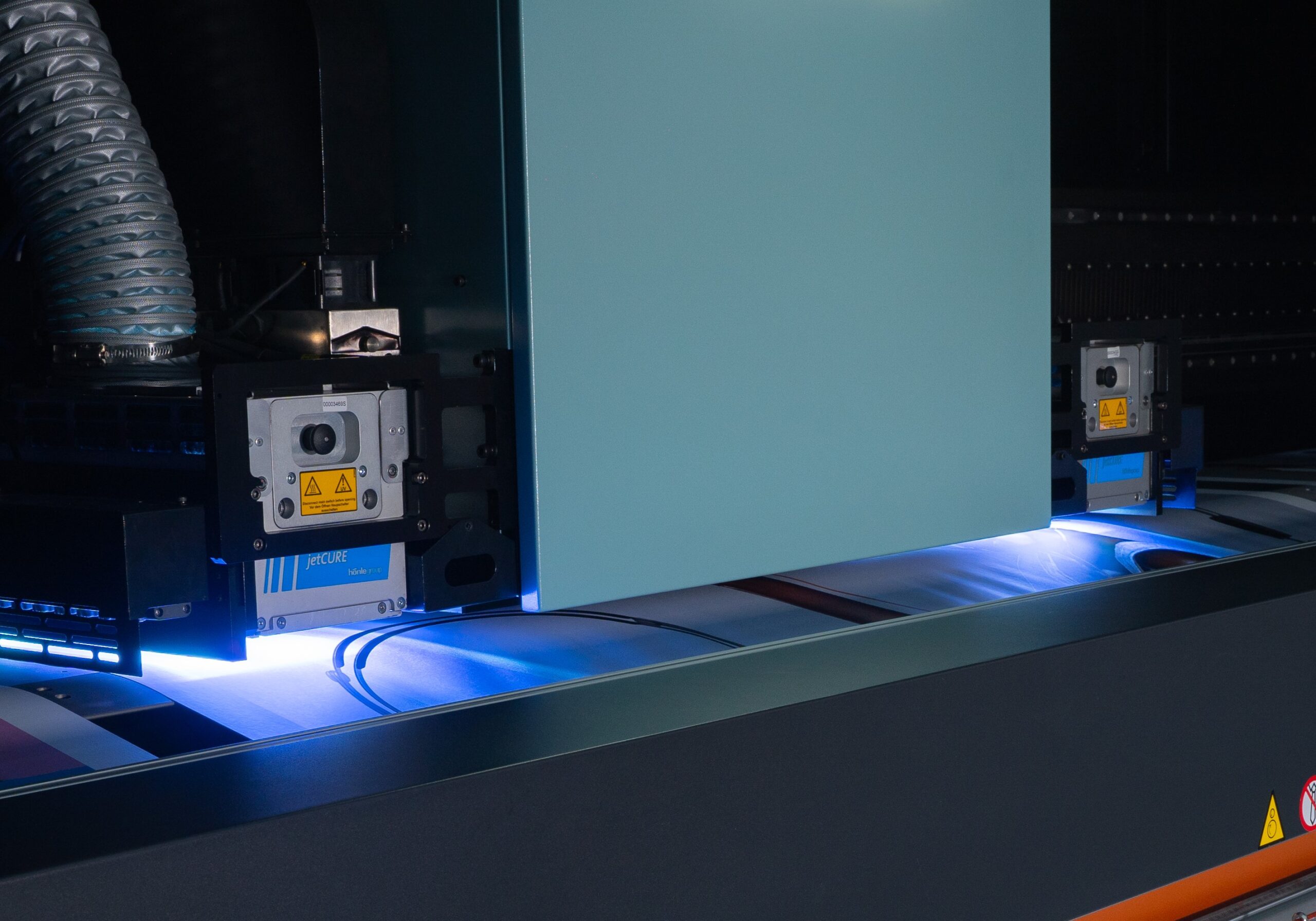
I LED UV, ovviamente, consumano molta meno energia rispetto alla loro alternativa convenzionale. Poiché le lampade a LED UV hanno un livello di tensione applicata significativamente più basso, i LED hanno una minore irradianza rispetto alle lampade UV convenzionali. I LED emettono luce nella parte visibile dello spettro da 400 nm a 700 nm o nel vicino infrarosso (700 nm e 2000 nm), quindi solo una parte dell'energia spettrale che emettono è luce UV. Poiché utilizzano una frazione dell'energia delle lampade UV convenzionali, non hanno bisogno di scaldarsi o raffreddarsi, quindi sono immediatamente pronti all'uso e non consumano energia a meno che non siano in funzione.
Inoltre, le lampade UV a LED hanno una durata di vita molto più lunga di quelle delle lampade UV convenzionali (circa 10.000 ore di lavoro contro oltre 1000 ore di lavoro). Di conseguenza, uno dei principali argomenti di vendita delle UV a LED per i clienti è il fatto che sia più ecologico e che i costi siano inferiori. C'è un solo vero svantaggio: la mancanza di una polimerizzazione e adesione sicura di depositi d'inchiostro elevati ad alta velocità, il che per alcuni stampatori rappresenta un problema sostanziale.
Comprendere la normativa pertinente
Un'altra ragione comune citata per l'inevitabile declino degli UV convenzionali è la regolamentazione governativa. Ma qui, molte delle normative riguardanti gli UV convenzionali sono ampiamente fraintese. Il Restrizione dell'Unione Europea sulle Sostanze Pericolose II La normativa (RoHS II) vieta l'uso di metalli pesanti, tra cui piombo, mercurio e cadmio. Di conseguenza, le lampadine domestiche che utilizzano raggi UV convenzionali non possono più essere acquistate, essendo state sostituite dai raggi UV a LED. Per questo motivo, molti presumono che i raggi UV convenzionali per uso aziendale siano sulla stessa strada verso l'oblio normativo.
Tuttavia, tale normativa non si applica a macchinari di stampa di grandi dimensioni, che sono tipicamente classificati come ‘attrezzature industriali stazionarie su larga scala” (LSSIT), pertanto i moduli di asciugatura UV da essi fabbricati sono esentati dalla direttiva RoHS II. Grazie allo sviluppo della tecnologia UV e al rispetto delle informazioni del produttore sullo smaltimento sicuro, l'uso di lampade UV a media pressione contenenti mercurio nell'industria della stampa è considerato sicuro. Di conseguenza, il mercurio è ancora ampiamente utilizzato in tutta l'industria e non vi è alcuna indicazione che ciò sia destinato a cambiare.
Contare i costi
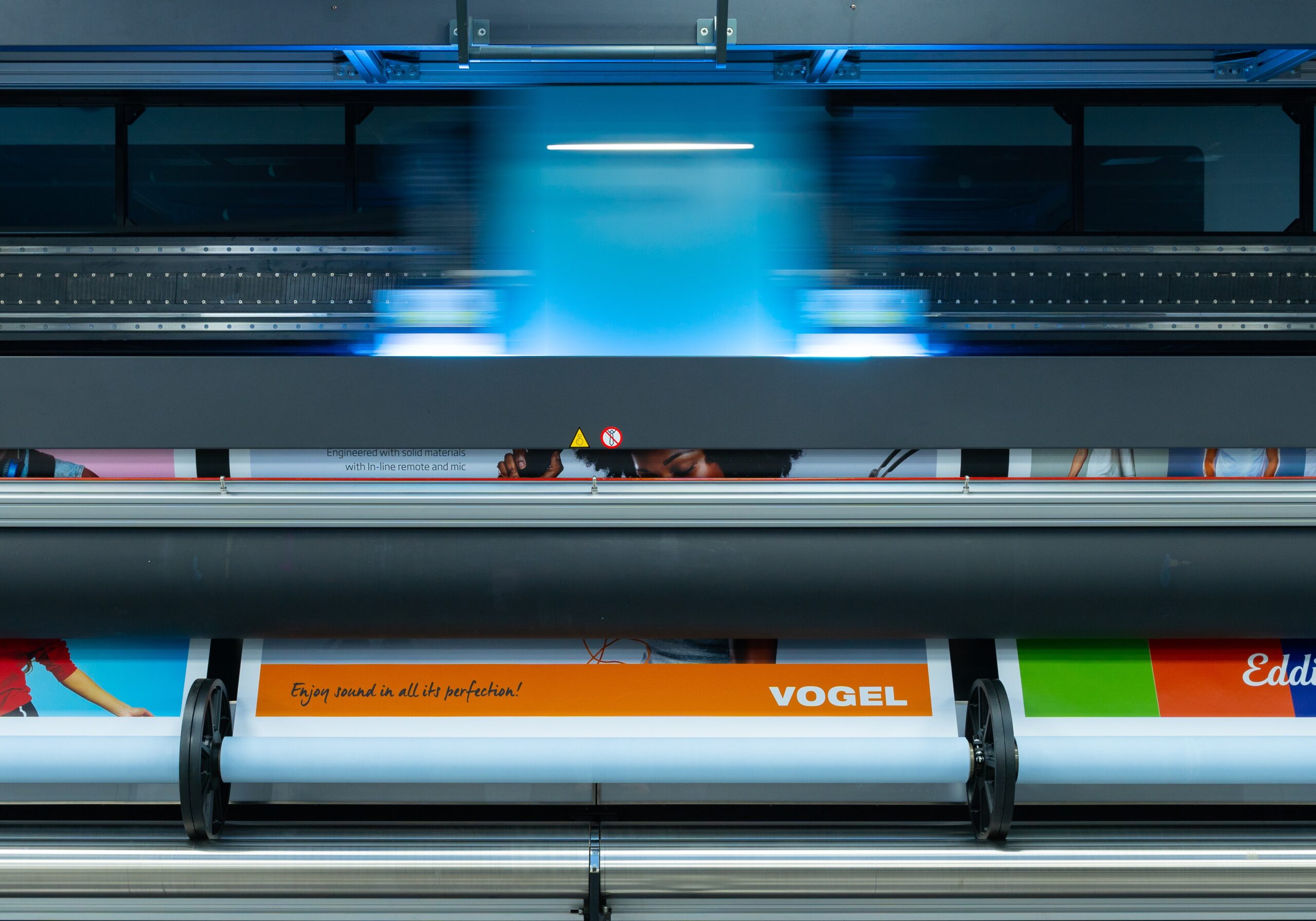
I costi operativi dei LED UV sono certamente inferiori ai costi di una macchina UV convenzionale, dove è necessario considerare un maggiore consumo di energia e di materiali di consumo. Ma se la maggiore velocità e la maggiore adesione e resistenza al blocco dell'UV convenzionale consentono a un'azienda di stampa di produrre più lavoro, l'attività aggiuntiva può più che coprire tutti questi costi, oltre a finanziare sistemi di gestione responsabile dei rifiuti per ridurre al minimo l'impatto ambientale.
Calore e velocità
Un'altra convinzione comune è che i raggi UV convenzionali non possano essere utilizzati su materiali sensibili al calore, ma la Fujifilm Acuity Ultra R2, ad esempio, presenta un unico tavolo da vuoto raffreddato ad acqua che consente una rapida polimerizzazione UV su un'ampia gamma di materiali sottili e sensibili al calore. Il vantaggio principale dell'UV convenzionale che non può essere eguagliato dall'UV LED è la velocità con cui è in grado di stampare. A seconda dell'utente, questo unico vantaggio può compensare molti degli svantaggi, il che significa che è spesso l'opzione che ha più senso per molte aziende. Poiché l'UV convenzionale domina indubbiamente il mercato in termini di produttività, rimane l'opzione ovvia per le stampanti che producono volumi elevati con tempi di consegna rapidi.
La UV convenzionale è la migliore per la stampa ad alta produzione e a rapida consegna. La UV a LED offre vantaggi ambientali, economici e di risparmio energetico quando la velocità non è così cruciale.
Kevin Rhodes | Responsabile marketing, sistemi Fujifilm WFIJ
La scelta è tua
L'UV a LED, ovviamente, ha un ruolo estremamente prezioso da svolgere nel futuro della stampa di grande formato e noi di Fujifilm siamo molto orgogliosi della nostra vasta gamma di stampanti con polimerizzazione UV a LED. Ma non si tratta di una sostituzione completa dell'UV tradizionale. C'è ancora bisogno di entrambi i tipi di tecnologia, a seconda delle esigenze del cliente. I due tipi di tecnologia esistono in tandem e continueranno ad esistere. L'UV convenzionale è la soluzione migliore per la stampa ad alta produzione e con tempi rapidi, mentre l'UV a LED offre una moltitudine di vantaggi ambientali, economici e di risparmio energetico quando la velocità non è così cruciale. Finché il LED non sarà in grado di eguagliare le prestazioni dell'UV convenzionale, in particolare per quanto riguarda la velocità e la profondità di polimerizzazione, è improbabile che possa sostituire in toto l'UV convenzionale.
In fin dei conti, spetta al cliente decidere la soluzione più adatta alla propria attività, e continueremo a offrirgli questa scelta.
Leggi l'articolo
Momento della lettura: 5 minuti
In seguito all'annuncio che le nuove stampanti di grande formato Fujifilm, le Acuity Prime e Acuity Ultra R2, hanno vinto Red Dot Awards per il design del prodotto, Kevin Jenner di Fujifilm chiede: Che cosa significa veramente un buon design di prodotto? Al di là dell'aspetto esteriore, sostiene, si tratta di usabilità, affidabilità e valore. Perché un artigiano dovrebbe comprare un furgone Mercedes Sprinter e riempirlo di utensili Makita? Ci sono furgoni più economici e utensili più economici, ma con questi marchi sta acquistando una percezione di qualità e affidabilità che migliorerà il suo lavoro e incrementerà la sua attività.
Il cinico potrebbe dire che la percezione del marchio dipende dal buon marketing – e potrebbe anche avere in parte ragione – ma i marchi che resistono alla prova del tempo, i marchi in cui le persone hanno fiducia e a cui continuano a tornare, ancora e ancora, hanno molto più del marketing astuto dietro di sé. Hanno un design di prodotto eccezionale.
Nel nostro settore, le aziende prendono continuamente decisioni di acquisto importanti e spesso ad alta intensità di capitale. Le macchine raggiungono la fine del loro ciclo di vita e devono essere sostituite, e i proprietari d'azienda valutano ciò che i loro clienti desiderano rispetto a ciò che è necessario per fornirlo, e poi fanno una scelta. Il costo è una considerazione importante in queste decisioni, naturalmente, ma più di questo, le persone si chiedono “cosa può fare, quanto bene può farlo e quanto è facile lavorarci?”.”
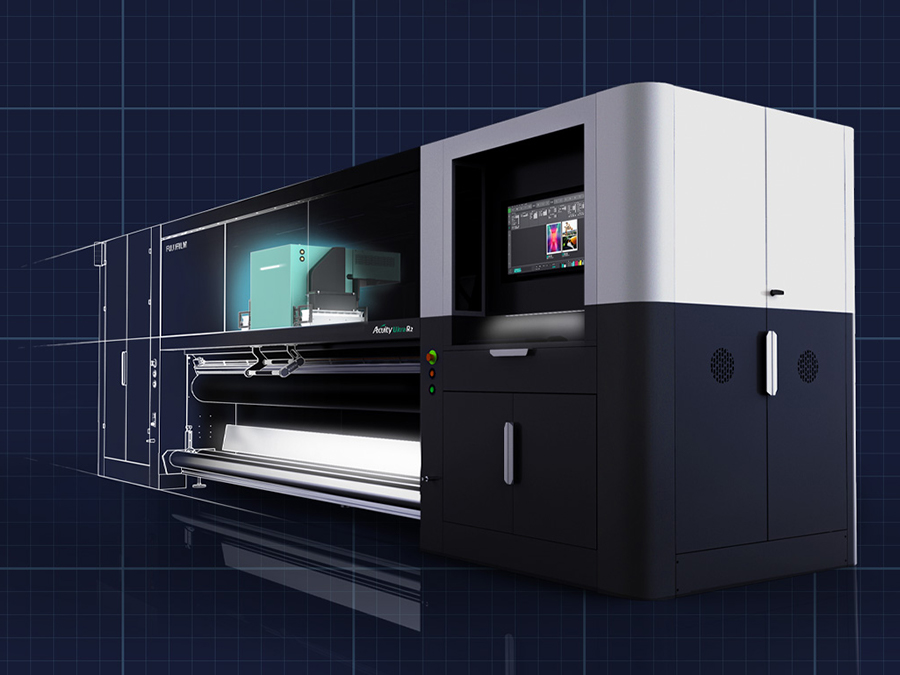
Se un investimento di Capex può espandere l'offerta ai clienti, aumentare la produttività, ridurre gli sprechi, far risparmiare tempo e ridurre le complicazioni, questo è un buon design da parte del produttore e un investimento solido per il cliente. Ma come ci arriviamo? Come creiamo un design straordinario che possa trasformare un'azienda rendendo il lavoro più efficiente, più piacevole, più produttivo e, in ultima analisi, aumentando il ROI?
“Più ampia è la comprensione dell'esperienza umana, migliore sarà il design che otterremo.” Ancora Steve Jobs. Un buon design inizia con la comprensione. Cercando di capire tutto, dagli obiettivi aziendali a lungo termine, alle frustrazioni quotidiane dei clienti che serviamo, ci diamo il miglior punto di partenza per un buon design del prodotto.
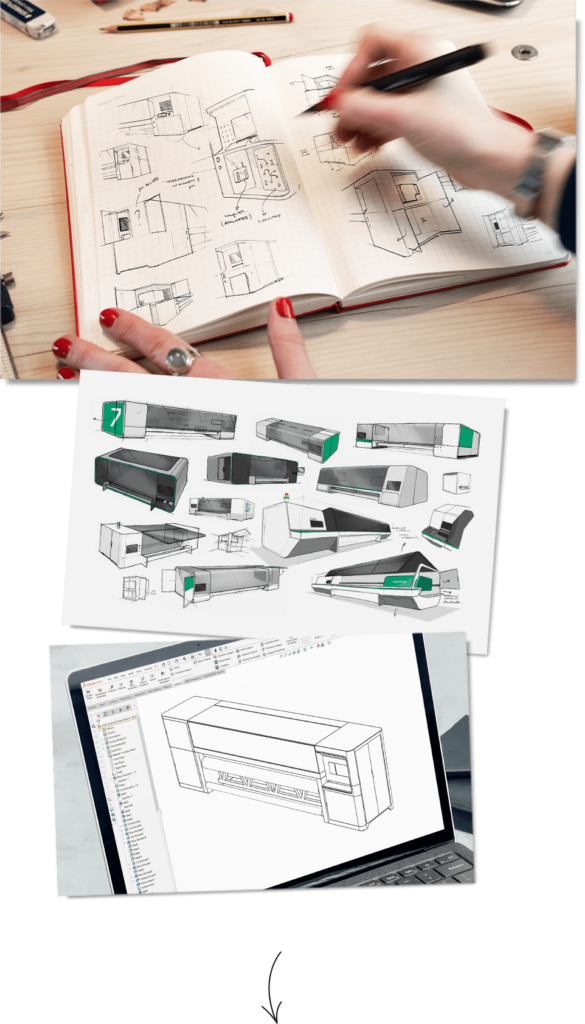
Quindi, per questo progetto avevamo bisogno di una profonda comprensione delle esigenze dei nostri clienti e di tempo per avere conversazioni significative con loro. Non si trattava di un sondaggio da spuntare inviato via email, ma dei nostri designer (un'agenzia specializzata in industrial design, Realise Design, incaricata di supportare il Tokyo Design Team) che affiancavano i nostri clienti mentre lavoravano, cercando mille piccoli modi per ottimizzare le loro esperienze e i loro affari.
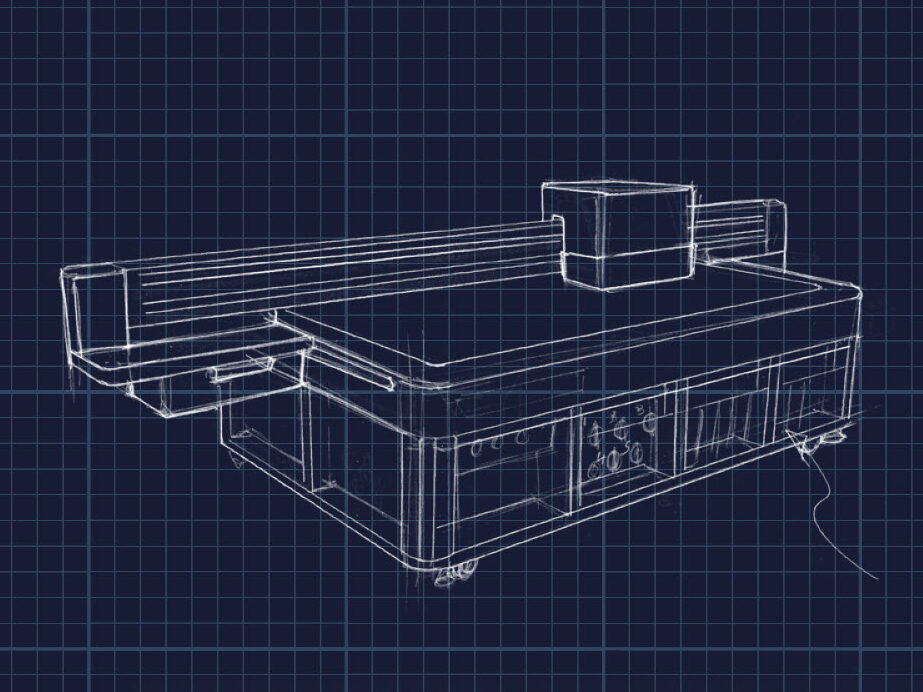
Abbiamo esaminato come un design di prodotto migliorato possa portare a una migliore usabilità, a prestazioni migliorate e a un ritorno sull'investimento migliore. Citerò Steve Jobs ancora una volta (l'ultima volta, promesso!) mentre inizio a tirare le somme.
Il semplice può essere più difficile del complesso. Devi lavorare sodo per rendere il tuo pensiero chiaro, per renderlo semplice.
Steve Jobs | Precedentemente Apple
I prodotti che sono sviluppi di un design concepito per la prima volta un decennio fa a volte necessitano di una revisione completa, in effetti si tratta di ‘tornare al punto di partenza’. Ma non nel senso che il vecchio venga completamente scartato, piuttosto nel senso che tutto viene esaminato e nulla rimane com'è semplicemente perché ‘è sempre stato così’.
Con questo progetto ci siamo dati la libertà di tornare ai principi fondamentali, e questo ci ha portato a creare qualcosa di molto diverso da qualsiasi cosa avessimo creato prima noi, o chiunque altro. Per questo motivo, quando abbiamo presentato per la prima volta le nuove macchine nel giugno 2021, le abbiamo definite ‘il nuovo progetto per il grande formato’.
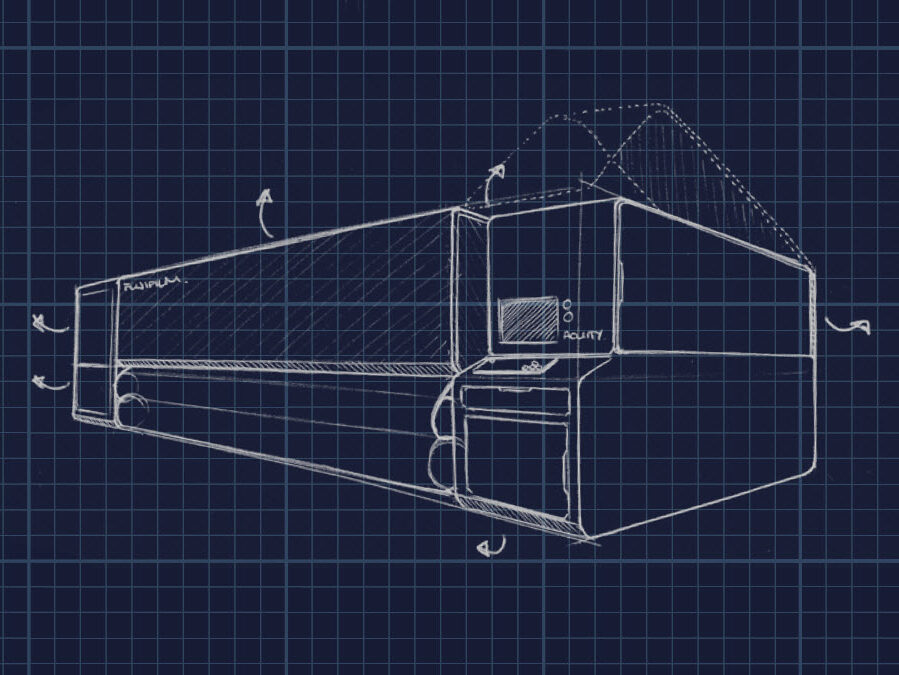
Come per ogni prodotto, l'impostazione predefinita è sempre quella di adattare ciò che c'è già, e i prodotti che sono stati modificati, perfezionati e adattati nel corso degli anni possono spesso sviluppare livelli di complessità che sono dannosi per le prestazioni, ma ci siamo così abituati alla loro presenza che può essere difficile concepire che sia in un altro modo.
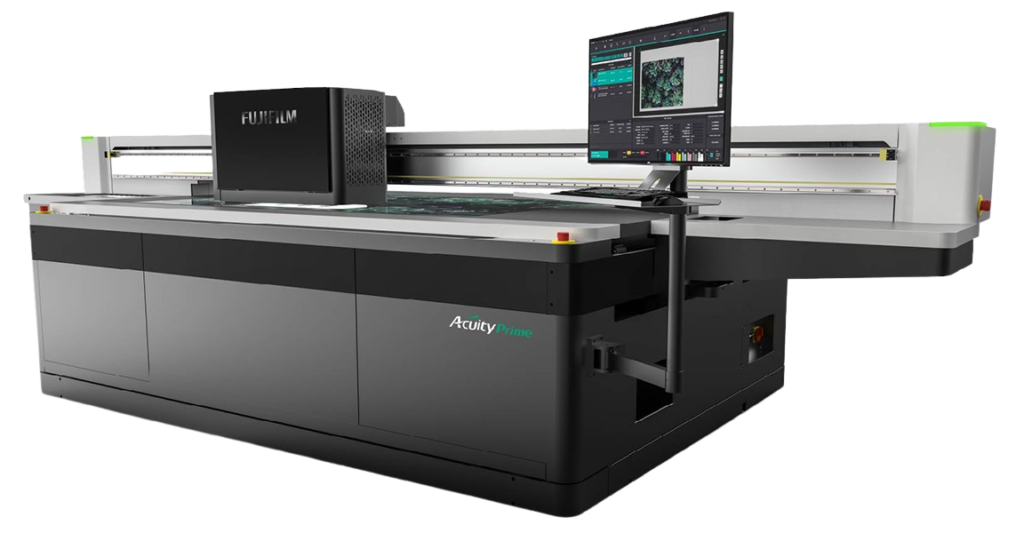
Marketing intelligente? Ci piace pensarlo, sì! Ma è molto più di questo. Questi prodotti sono progettati per essere un piacere da usare; prodotti progettati per la massima produttività e versatilità; prodotti progettati per essere convenienti. E quest'ultimo punto è importante, l'aspetto più elegante e il massimo livello di prestazioni non hanno alcun valore reale se sono inaccessibili per le persone per cui sono progettati. Una parte cruciale di un buon design in qualsiasi contesto commerciale è l'eliminazione dei costi non necessari, garantendo al contempo che non vi siano compromessi su ciò che deve fare bene.
Questa è stata un'altra parte fondamentale del processo che abbiamo affrontato: abbiamo cercato i migliori componenti e i partner di produzione più adatti per garantire qualità, prestazioni e valore. Il risultato finale, nel nostro caso, è una nuova gamma progettata per ridefinire il rapporto prezzo/prestazioni, offrire livelli di versatilità e valore senza precedenti e aumentare il ritorno sull'investimento.
E ci siamo assicurati che avessero anche un bell'aspetto!
Scopri di più sulla gamma Acuity
Scopri di piùGrazie per la tua richiesta, qualcuno ti contatterà presto.
Argomento di studio
Il principale PSP tedesco sottolinea come la velocità e la versatilità di Acuity Ultra siano essenziali per le operazioni, fornendo al contempo una soluzione a prova di futuro per un mercato in continua evoluzione.
Fokina GmbH
Eppingen, Germania
Acuity Ultra
Acuity Ultra si integra perfettamente con le altre apparecchiature di stampa e si è trasformato nel cuore pulsante della nostra attività.
Sven Breiter | Fokina GmbH
Punti salienti
- I prodotti comprendono la stampa fotografica di grande formato, la stampa serigrafica, digitale e tessile.
- Presentato al Stampante Acuity Ultra a bobina nel 2019 e sono rimasto impressionato dalla qualità e dalla velocità di stampa.
- Acuity Ultra è stato installato nel marzo 2020, a seguito dell'aumento della domanda dei clienti.
- L'investimento ha fornito a Fokina nuove opportunità di business
- La stampante a bobina consente a Fokina di offrire prodotti della migliore qualità ai prezzi più convenienti.
- Siamo soddisfatti dell'assistenza fornita da Fujifilm durante tutto il processo di vendita e installazione.
Uno dei principali fornitori tedeschi di stampa fotografica di grande formato, nonché di stampa serigrafica, digitale e tessile, Fokina GmbH è un fornitore di servizi completi per una serie di settori, tra cui i punti vendita, la vendita al dettaglio, le strutture pubbliche e gli stand fieristici. Con sede nella città di Eppingen, appena a nord di Stoccarda, l'azienda ha una storia orgogliosa che risale a più di 30 anni fa. Nel corso di questo tempo, Fokina ha costruito un portafoglio diversificato di macchinari per la stampa e la produzione per realizzare i prodotti di alta qualità per cui è rinomata. E un'installazione in particolare sta contribuendo a innalzare ulteriormente gli standard qualitativi: la Fujifilm, superwide da 5 m, è un'installazione di qualità. Acuity Ultra, che è stato installato nel marzo 2020.
“I nostri investimenti in macchinari ad alta tecnologia, dipendenti qualificati e sistemi di gestione intelligenti sono fondamentali per il nostro successo come azienda”, afferma Sven Breiter, CEO di Fokina. “Le aziende di tutta la Germania, dell'UE e di tutto il mondo si riforniscono con i nostri prodotti, quindi essere altamente efficienti e mettere il cliente in cima alle nostre priorità è il nostro motto”.”
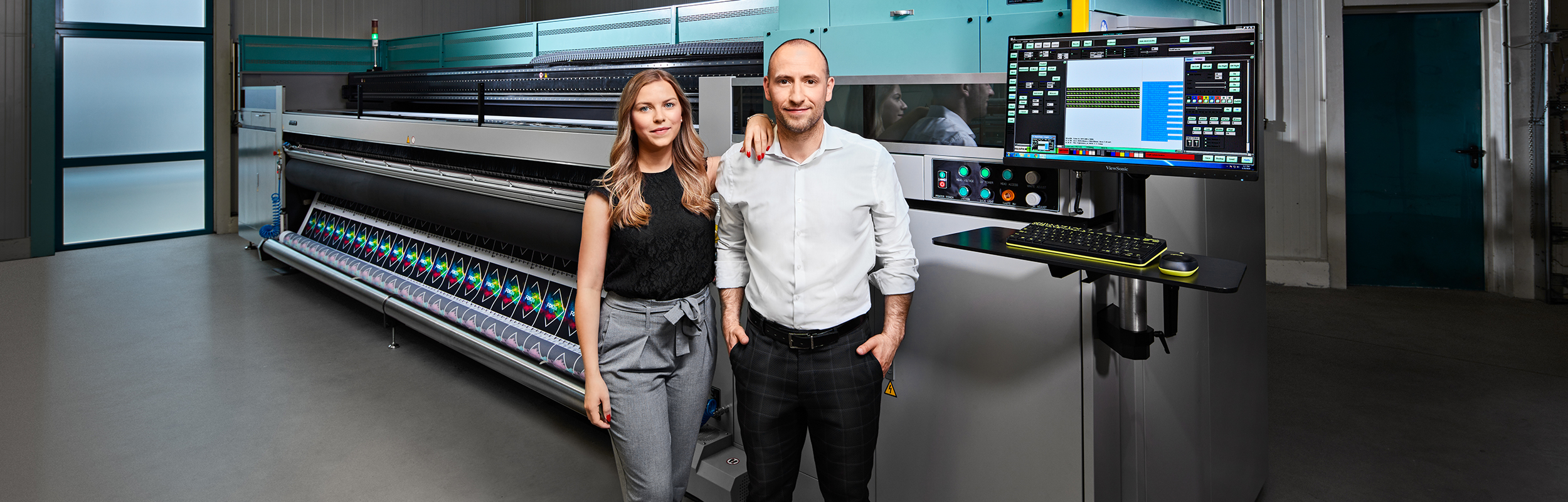
Gli striscioni, i tessuti e le carte da parati di alta qualità di Fokina sono alcuni dei prodotti più popolari dell'azienda. Quando la direzione ha notato l'aumento della domanda nel 2019, ha capito che sarebbe stato necessario aggiungere altre apparecchiature di stampa per soddisfare queste esigenze. È stato allora che è stata presentata loro la Acuity Ultra di Fujifilm, e non si sono più guardati indietro. “Abbiamo notato per la prima volta la Acuity Ultra durante una fiera nel 2019”, racconta Saskia Friederich, anch'essa CEO di Fokina. “Siamo rimasti subito colpiti dalla qualità di stampa e dalla velocità, così abbiamo mantenuto i contatti con Fujifilm dopo l'evento, visitando il loro Advanced Print Technology Centre di Bruxelles dove abbiamo visto la Acuity Ultra di prima mano. La qualità di stampa di questa macchina ha confermato la nostra convinzione iniziale che fosse la macchina giusta da aggiungere al nostro già notevole portafoglio di produzione”.”
Per Sven, Saskia e il loro staff, l'Acuity Ultra si sta adattando molto bene a Fokina. “Il team che lavora con il Acuity Ultra sono molto colpiti dalla qualità che produce e dalla sua alta velocità”, dice Sven. “È anche incredibilmente versatile, il consumo di inchiostro è basso e la sua larghezza di 5 metri ci ha offerto nuove opportunità commerciali che altrimenti non avremmo potuto cogliere. La combinazione di alta qualità e produttività che offre è eccezionale”.”
È incredibilmente versatile, consuma poco inchiostro e la sua larghezza di 5 metri ci ha offerto nuove opportunità commerciali che altrimenti non avremmo potuto cogliere.
Sven Breiter, CEO | Fokina GmbH
“Siamo un'azienda a conduzione familiare che cerca sempre di proiettarsi nel futuro. Il mercato della stampa è altamente competitivo e noi di Fokina vogliamo sempre fornire i prodotti migliori ai prezzi più equi; la Acuity Ultra ci permette di farlo. Si integra perfettamente con le altre apparecchiature di stampa presenti qui, ed è diventata il cuore pulsante della nostra attività”.”
Sven ha anche parole di elogio per il team Fujifilm: “Il personale di vendita e di assistenza di Fujifilm è stato eccellente fin dal primo giorno. Ci siamo sempre sentiti in buone mani, il che è essenziale quando si acquista una nuova apparecchiatura. L'Acuity Ultra è stato il nostro primo acquisto in assoluto da Fujifilm e pensiamo che non sarà l'ultimo”.”
Acuity Ultra
Per saperne di più sull'altissima qualità e versatilità di Acuity Ultra e su come il suo basso consumo di inchiostro può migliorare il ROI
Scoprite Acuity UltraLeggi l'articolo
Momento della lettura: 8 minuti
Il nome Fujifilm è strettamente associato alla tecnologia a getto d'inchiostro UV dal 2005, anno in cui Fujifilm ha acquisito l'azienda pionieristica di inchiostri e getti d'inchiostro UV, Sericol, con sede nella città balneare di Broadstairs, nel Kent. Fondata nel 1950, Sericol era da tempo un pioniere e leader di mercato negli inchiostri serigrafici. Poi, negli anni '70, lanciò i primi inchiostri UV per serigrafia a polimerizzazione istantanea al mondo e, sfruttando questa esperienza, commercializzò i primi sistemi e inchiostri UV a getto d'inchiostro digitale al mondo nel 1999. La crescita immediata e rapida in questo nuovo settore portò a Sericol il conferimento di un Queens Award for Enterprise nel 2004 per il suo ruolo nello sviluppo e nella commercializzazione di questi nuovi sistemi a getto d'inchiostro UV.
Con l'acquisizione di Fujifilm nel 2005, che ha dato vita a quella che oggi è nota come Fujifilm Speciality Ink Systems, l'azienda ha continuato a produrre alcuni degli inchiostri e dei sistemi a getto d'inchiostro a polimerizzazione UV più apprezzati sul mercato, tra cui il famoso Gamma di stampanti di grande formato Acuity lanciato nel 2007 e che oggi conta più di 1.800 installazioni in tutto il mondo. Questi 20 anni di esperienza significano che Fujifilm ha sviluppato un senso acuto di ciò che il mercato ha realmente bisogno e, cosa forse più importante, di come cambierà in futuro.
Maturità del mercato
I primi anni di sviluppo della stampa a getto d'inchiostro UV di grande formato sono stati in gran parte definiti dai progressi tecnologici che hanno consentito un rapido e continuo aumento della velocità e della qualità di stampa. Nel 2018, tuttavia, Fujifilm ha riconosciuto che il mercato aveva raggiunto un grado avanzato di maturità e un punto in cui si presupponeva un livello molto elevato di qualità e produttività. I nuovi prodotti lanciati tendevano a offrire solo miglioramenti molto marginali nella velocità e nella qualità di stampa. Inoltre, Fujifilm si rese conto che esisteva l'opportunità di utilizzare queste tecnologie in evoluzione per migliorare il ROI della stampa di grande formato.
Il mercato aveva raggiunto un punto di svolta, un punto in cui non era più sufficiente continuare a fare la stessa cosa, con piccoli miglioramenti. Il mercato aveva bisogno di qualcosa di fondamentalmente nuovo. Così, tre anni fa, Fujifilm ha preso la decisione strategica di avviare il processo di ripensamento della propria azienda. Acuity grande formato di stampa, concentrandosi su nuovi modi per offrire un valore, una versatilità e una facilità d'uso migliori e, in particolare, sulla definizione di un nuovo livello di ROI di stampa. Fujifilm si proponeva di fare ciò che aveva fatto per la prima volta nel 2000: creare un nuovo modello per il grande formato.
Torniamo ai principi fondamentali
In termini di hardware e sistemi di stampa, Fujifilm è sempre stata prima di tutto un'azienda tecnologica, piuttosto che un produttore, che collabora con una serie di partner OEM e altri specialisti per fornire le migliori piattaforme possibili per la sua tecnologia a getto d'inchiostro. Il Gamma di acutezza Il sistema di controllo di Acuity ha già una meritata reputazione in termini di qualità e affidabilità, ma per il prossimo capitolo della storia di Acuity, Fujifilm ha voluto un nuovo livello di influenza e controllo sulla progettazione per sfruttare appieno ciò che era possibile, per creare qualcosa che offrisse molto di più di semplici miglioramenti marginali.
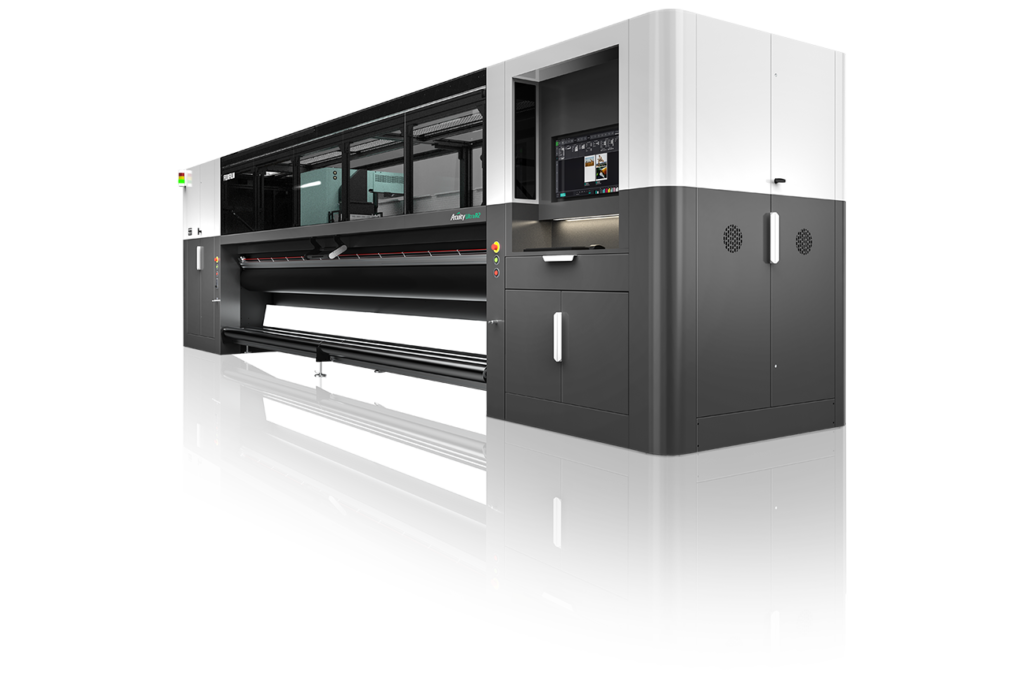
Per fare questo, il team della Fujifilm è tornato ai principi iniziali, partendo da una tela quasi vuota e dalla sfida di spogliarsi di tutto e creare una gamma di macchine completamente nuova e migliorata. Per aiutarli in questo processo, hanno coinvolto una società di design industriale pluripremiata, incaricandola di non limitarsi ad apportare modifiche a ciò che c'era prima, ma di ripensare completamente il design della macchina per massimizzare il valore, la produttività, la facilità d'uso e, soprattutto, il ROI.
La visione di Fujifilm era quella di combinare un'estetica straordinaria con una funzionalità eccezionale. Per raggiungere questo obiettivo, il primo passo è stato quello di condurre una ricerca ad ampio raggio, per cui le due aziende hanno intrapreso un'intensa attività di ascolto, incontrando non solo proprietari e direttori di aziende, ma anche operatori di macchine da stampa che avevano esperienza di lavoro non solo con le macchine Fujifilm, ma anche con altre.
Questo esercizio ha prodotto una comprensione di ciò che ha funzionato, di ciò che non ha funzionato e di quali modifiche (semplici o radicali) avrebbero migliorato il valore, la versatilità, l'usabilità, la produttività e il ROI, mantenendo al contempo un occhio di riguardo per l'ambiente in termini di riduzione degli sprechi e creazione di un ambiente di lavoro più sicuro e contento.
Da questo esercizio è emerso chiaramente che i proprietari e i dirigenti di queste aziende desiderano attrezzature affidabili, veloci e in grado di offrire un rapido ritorno sull'investimento, ma, operando in un settore creativo, desiderano anche macchine dall'aspetto elegante e facili da usare. Per gli operatori di stampa, è stato anche chiaro che un buon design della macchina, oltre agli evidenti benefici in termini di produttività, può fare la differenza tra soddisfazione lavorativa e grande frustrazione, e l'esercizio di ascolto ha rivelato molti aspetti del design delle macchine che potrebbero essere migliorati.
Fujifilm ha combinato i risultati di questo ampio lavoro di ricerca con le proprie conoscenze e la propria esperienza nel campo del getto d'inchiostro per fornire una struttura al processo di progettazione. Parallelamente, il team ha condotto una ricerca approfondita sui migliori componenti e tecnologie presenti sul mercato e sui migliori percorsi di assemblaggio e produzione. Il risultato di tutta questa ricerca e del pensiero creativo è stato un progetto completamente nuovo su come dovrebbe essere un sistema a getto d'inchiostro UV del futuro, su come dovrebbe funzionare e su come potrebbe essere realizzato.
Mettendo tutto insieme
Dal progetto sono emersi quattro criteri di progettazione che hanno informato tutte le scelte di design e hanno aiutato a identificare i produttori e i fornitori giusti con cui lavorare, nonché i partner OEM che hanno contribuito a mettere insieme il tutto. Si tratta di qualità, valore, prestazioni e facilità d'uso. Inoltre, ogni componente selezionato è stato scelto tenendo conto di questi quattro criteri, dalle testine di stampa all'interfaccia utente, alle lampade, al controllo statico e alle soluzioni per il vuoto. In tutti i casi, l'Fujifilm ha fatto scelte basate sulla risposta a domande come: “fa quello che deve fare?” o “potrebbe essere fatto meglio?”. Non è stato lasciato invariato nulla che potesse essere migliorato.
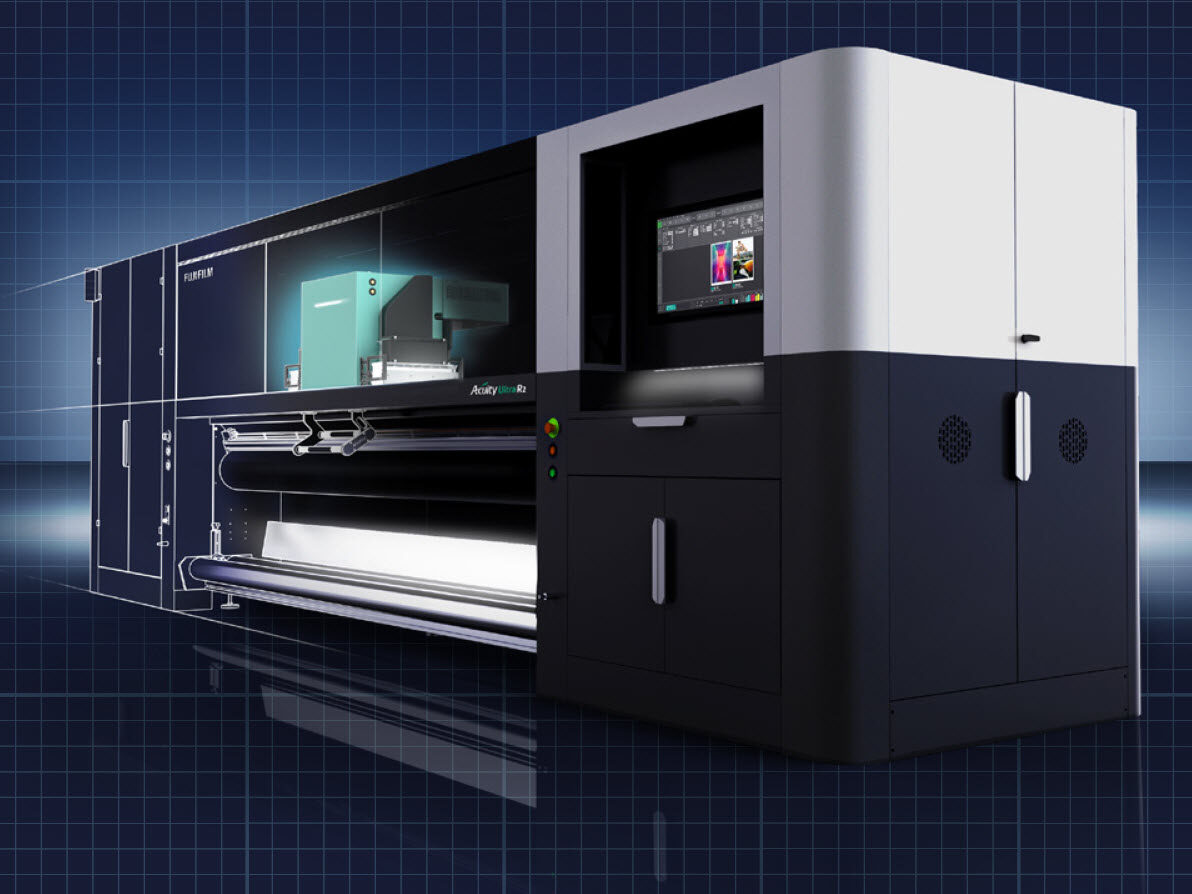
Tre anni dopo, il risultato di questo progetto è la nuovissima gamma Acuity, progettata e sviluppata da Fujifilm. Innanzitutto, questa nuova Gamma di acutezza è stato progettato per ridefinire il rapporto prezzo/prestazioni e il ROI che ci si può aspettare da un sistema UV a getto d'inchiostro. Questo è stato ottenuto attraverso attente scelte di progettazione, eliminando le funzionalità che non aggiungono valore e massimizzando la qualità, il valore e le prestazioni dove contano di più. Il risultato è una gamma ad alte prestazioni disponibile a un prezzo competitivo con bassi costi di utilizzo, una combinazione che cambia radicalmente il ROI della stampa.
Anche la nuova gamma Acuity è stata costruita per le stampanti da zero, azzerando le aspettative sulla facilità d'uso operativa. L'approccio ‘question everything’ all'intero processo ha permesso a Fujifilm di mettere l'esperienza dell'operatore al centro dell'attenzione. “Abbiamo preso in considerazione le frustrazioni e gli inconvenienti identificati nelle nostre approfondite ricerche di mercato e li abbiamo affrontati per creare una gamma che è un vero piacere lavorare e operare, con l'ulteriore vantaggio di massimizzare i tempi di attività e la produttività”, afferma Kevin Jenner, European Marketing Manager, Fujifilm Wide format Inkjet Systems.
Abbiamo recepito le frustrazioni e gli inconvenienti identificati nella nostra ampia ricerca di mercato, e abbiamo affrontato tali preoccupazioni per creare una gamma che sia una vera gioia da lavorare e utilizzare, con l'ulteriore vantaggio di massimizzare i tempi di attività e la produttività.
Kevin Jenner | European Marketing Manager
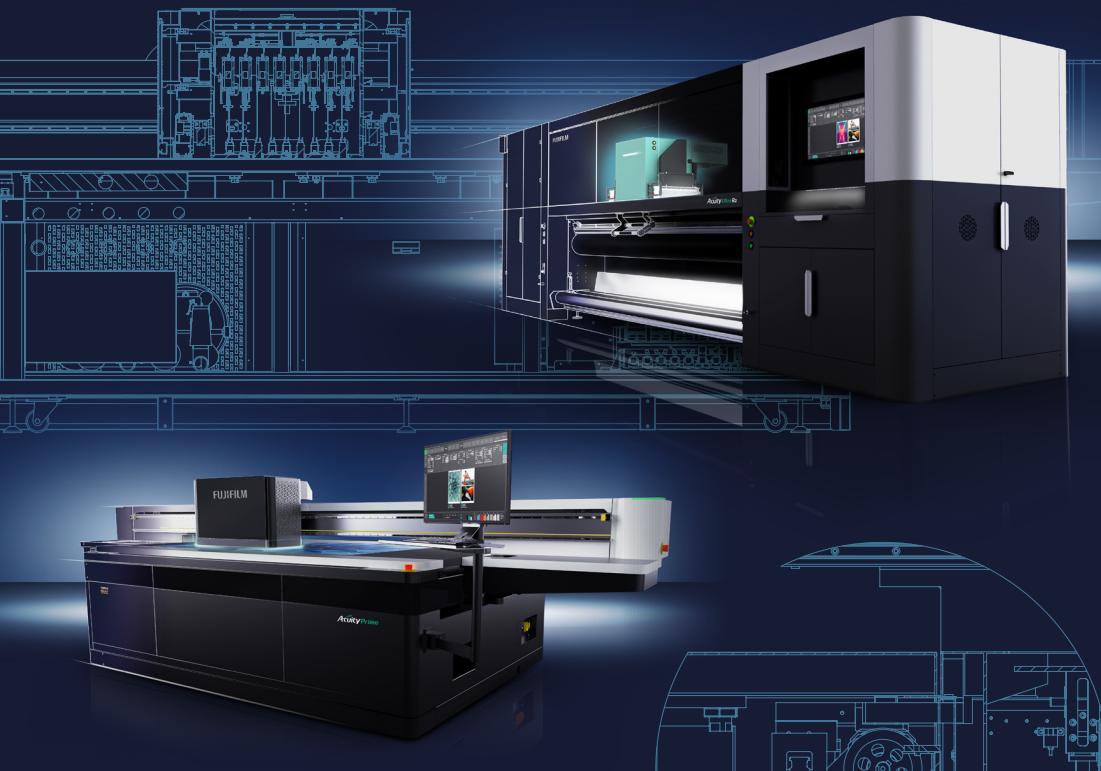
Le prime due stampanti realizzate secondo questo nuovo progetto sono le Acuity Ultra R2 e il Acuity Prime. La Acuity Ultra R2 è una versione completamente riprogettata della Acuity Ultra, che già al momento del lancio nel 2018 aveva stabilito un nuovo standard per la stampa superwide. La Acuity Prime è una macchina piana di fascia media completamente nuova, che offre una facilità d'uso e un ROI di stampa ineguagliato da qualsiasi altra cosa sul mercato.
Per oltre 10 anni dal suo lancio iniziale, la gamma Acuity si è costruita una reputazione di qualità, versatilità e valore e questa nuova gamma rafforzerà il marchio Acuity su tutti questi fronti, mantenendo gli standard di affidabilità che sono sempre stati il segno distintivo dei sistemi a getto d'inchiostro Fujifilm. E naturalmente, le nuove stampanti sfruttano il rinomato inchiostro a getto d'inchiostro UV di Fujifilm.
Scopri di più sulla gamma Acuity
Scopri di piùGrazie per la tua richiesta, qualcuno ti contatterà presto.